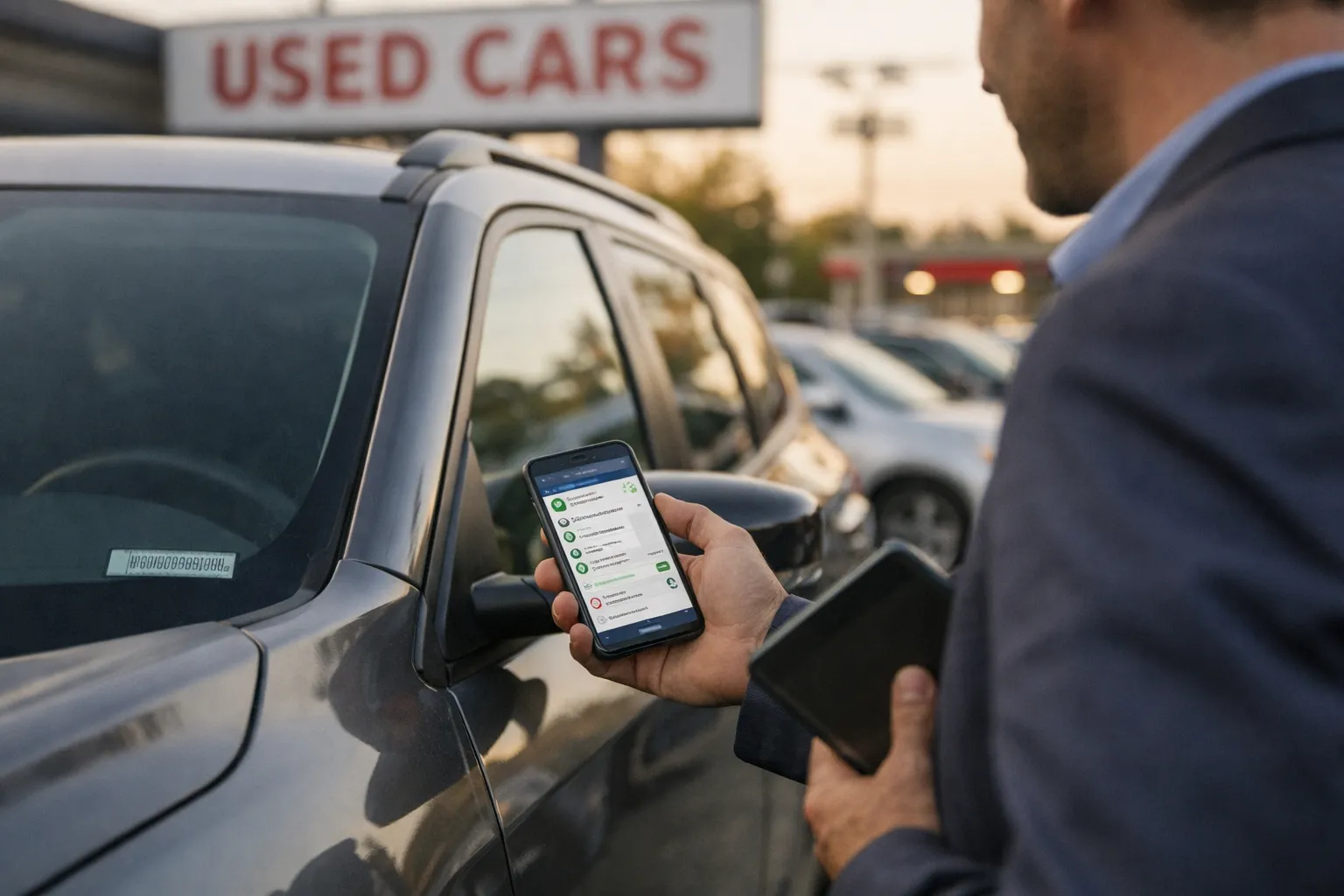
Washington, D.C. — A coalition of consumer-advocacy groups this week filed formal petitions with federal regulators asking for mandatory disclosure rules that would require used-vehicle sellers and dealers to provide detailed software and telematics histories at point of sale. The filings, submitted to both the National Highway Traffic Safety Administration (NHTSA) and the Federal Trade Commission (FTC), argue that as modern vehicles increasingly depend on software for safety, emissions and basic functionality, buyers need standard, verifiable records similar to odometer and title histories.
Why software disclosures now?
Over the past decade, over-the-air (OTA) updates, embedded telematics, subscription-based features and software-driven ADAS (advanced driver-assistance systems) have moved from optional extras to core vehicle functions. Consumer advocates say that lack of transparency around software updates, failed or incomplete installations, and active factory subscriptions creates a blind spot for used-car buyers.
"The hardware side of a used car has long been documented: mileage, accident history, title status. The software side remains opaque," said the petition summary. "Buyers need consistent, machine-readable records of update history, software recalls, unresolved diagnostic trouble codes and active manufacturer subscriptions that affect operation or ownership costs."
What disclosure proponents are asking for
- Standardized software-update logs tied to the vehicle VIN that show dates, version numbers and whether installations completed successfully;
- Disclosure of active factory subscriptions and recurring telematics services (navigation, premium connectivity, driver monitoring) and whether those can be transferred or terminated;
- Notification of any outstanding software-related safety recalls, security patches, or unresolved diagnostic codes;
- Inclusion of software history on dealer bill-of-sale and in online listings, and making that information readily available to private-party buyers.
Potential benefits and buyer impact
If regulators require such disclosures, advocates argue buyers would gain tools to evaluate the true condition and cost of ownership for a used vehicle. Examples include:
- Spotting cars with recurring software errors that affect braking, steering assist or emissions controls;
- Understanding whether a premium telematics feature will continue to function after purchase or requires a paid transfer; and
- Comparing used-car listings on a more level field—cars with up-to-date safety patches could command a premium while those with unresolved issues could see lower resale values.
Dealers, OEMs and privacy concerns
Industry sources caution that implementing a standardized software-history disclosure regime is complex. Automakers and dealerships say technical hurdles, data-privacy rules and varying telematics platforms make a one-size-fits-all solution difficult.
Key concerns include:
- Data access: Many OEMs collect telematics and update logs on proprietary back ends; creating a secure, standardized export format will require technical work and coordination.
- Privacy and consent: Telematics logs can include location and driver behavior data; regulators and companies would need to define what constitutes a permissible "update history" versus private user data.
- Subscription mechanics: Some features are region-locked or tied to the registered account rather than the vehicle VIN, requiring new transfer processes.
Representatives for dealer associations have said they are open to solutions that increase buyer confidence, but have urged phased implementation and federal guidance rather than a patchwork of state laws.
What this means for buyers today
While federal rulemaking can take months to years, buyers can start protecting themselves now. Consumer advocates recommend:
- Asking sellers for any documented software-update history, including dealer service receipts showing OTA or dealer-installed updates;
- Requesting disclosure of active subscriptions and confirmation from the seller or dealer that the telematics account will be transferred or canceled at sale;
- Getting a recent diagnostic scan (OBD-II or manufacturer-level scan) that shows pending codes and system readiness;
- Checking vehicle history reports for software-related recalls—some manufacturers list software recalls separately from traditional parts recalls.
Regulatory timeline and likely outcomes
The petitions ask NHTSA and the FTC to open a joint rulemaking or issue guidance within 90 days. Analysts expect the agencies to solicit industry feedback before proposing any mandatory requirements. Several likely paths forward include:
- Voluntary industry standards developed in coordination with regulators and trade groups;
- FTC consumer-protection guidance that requires clear advertising and disclosure of recurring costs tied to software features; and
- NHTSA safety rules that require manufacturers to publish update and recall status when safety-critical software is involved.
Even modest regulatory action could change dealer practices within a year: industry observers note that market pressure often pushes faster disclosure—platforms that list used cars may begin adding "software history available" badges to listings to attract trust-minded buyers.
Bottom line for car-buying enthusiasts
The push to make software histories as routine and discoverable as mileage and title status reflects how cars are changing from mechanical products to software-driven platforms. For buyers, the near-term advantage comes from asking sellers for clear records and pursuing diagnostic checks before purchase. Longer term, mandatory disclosures—if adopted—will reshape how used cars are priced and inspected, and could make software competence a standard part of any pre-purchase checklist.