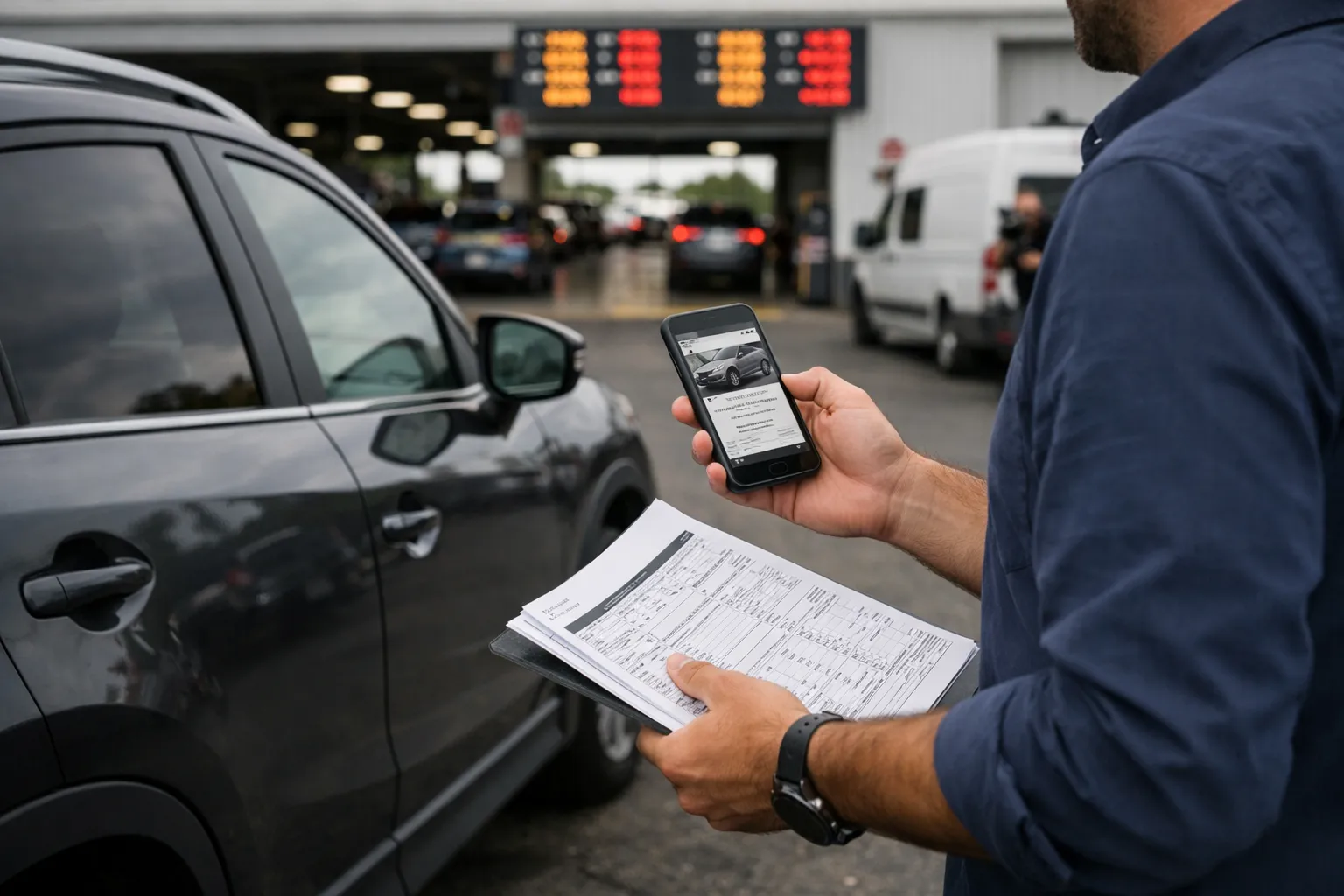
Auctions remain one of the most efficient ways to find low-mileage trade-ins, off-lease volumes and enthusiast vehicles at prices below retail — but the landscape has changed. By 2026 most major auction houses run hybrid models: live lanes at physical yards plus robust remote bidding and post-sale logistics. This guide walks you through the practical, step-by-step process to buy a car at auction in 2026, from identifying the right auction to getting the car delivered and titled in your name.
1. Decide which auction type fits your needs
There are four common auction formats you’ll encounter. Choose based on the car you want, your tolerance for risk, and whether you’ll inspect in person.
- Dealer-only (wholesale) — High volume, low margins. Typically not accessible to the general public unless you use a licensed broker or an online retail partner that lists dealer-lot cars to consumers.
- Public auctions (live lanes) — Local yards or national houses that allow retail buyers to attend. Good for seeing cars in person; buyer premiums and fees vary.
- Online-first platforms — Remote bidding, timed auctions (e.g., enthusiast marketplaces), or virtual lanes run by major operators. Convenient but depend on accurate listings and inspections.
- Salvage auctions — Heavy discounts but titles may be salvage/rebuilt and repairs can be costly. Only for buyers who understand repair and registration rules in their state.
2. Create accounts and understand platform rules
Before you bid:
- Register and verify identity with the auction platform. Many require deposits or credit pre-authorization.
- Read the terms: buyer premiums, payments timelines, arbitration policies, and title processing. Buyer premiums commonly range from single digits to low double-digits percentage points depending on the house and sale type.
- Check deposit rules. Some auctions require a refundable deposit ($100–$1,000) that’s applied to purchase, others require immediate payment of a portion of the hammer price.
3. Research vehicles like a pro
Do not bid on a car you haven’t researched. Treat every lot as an investment decision.
- VIN and title status: Run the VIN through commercial history services and check state title records where available. Confirm if the vehicle has a clean, rebuilt, salvage or lien-encumbered title.
- Right comparables: Use recent completed-auction sales and private-party listings for the same year, trim and mileage to form a target price range.
- Recall and OBD codes: If the auction listing includes a scan or mentions codes, note them. A check at the manufacturer site can confirm open recalls.
- Photos and damage flags: Look for multiple high-resolution photos (engine, undercarriage, wheels). Be wary of inconsistent photo sets or heavy edits.
4. Arrange inspection options
Inspection is the key differentiator between winning and regretting an auction purchase.
- Attend in person where possible. You can test the car’s lights, look for leaks, and listen for abnormal noises.
- Third-party inspection services are widely available at auction yards and online — expect $100–$300 for a full 150+ point check with photos and a checklist.
- Virtual inspection (video call or video walkthrough). Good backup for remote buyers but depends on the inspector’s thoroughness and camera angles.
- Limitations: Auctions sometimes won’t permit engine starts or road tests. Factor that uncertainty into your bid ceiling.
5. Build your total cost and max-bid
Set a hard cap before you bid. Include every cost:
- Hammer/bid price — the maximum you’ll pay at auction.
- Buyer premium and auction fees — variable; read each lot’s fee schedule. Typical ranges in 2026: 3%–12% buyer premium plus flat fees of $150–$450 in some venues.
- Sales tax and registration — dependent on state and where title is processed.
- Transport — local pick-up can be $0–$200; interstate transport commonly $300–$1,200 depending on distance and vehicle type.
- Inspection/repair estimates — include a contingency (500–2,000 or a percentage of the vehicle price) for unexpected repairs.
Example: If a vehicle’s market value is $18,000, you might set a max-bid of $15,500 to allow for a 6% buyer premium ($930), $400 transport, and $1,200 contingency.
6. Bidding strategies for remote and live auctions
- Timed auctions (online only): Place a single max bid or use proxy bidding. Avoid bidding wars near the closing time, which can spike prices; consider snipe strategies only if you understand the platform’s anti-sniping rules.
- Live lanes (in-person or real-time streaming): Don’t reveal your full budget early. Let others set the pace and enter confidently when price nears your range.
- Brokered buys: If you lack auction experience, a licensed dealer-broker can access dealer-only lots. Brokers charge a commission but can access better inventories.
- Walk-away discipline: Auctions are emotionally charged. Use your pre-calculated max and walk if bidding passes it.
7. Payment, title, and paperwork
Once the hammer falls, timelines and methods vary by house:
- Payment window: Many auctions require full payment within 2–7 business days. Late payments incur fees and potential forfeiture.
- Accepted payment methods: Wire transfers are common for larger purchases; debit/credit may be limited. Have funds ready and confirm bank transfer limits in advance.
- Title transfer: Auctions provide dealer or owner-issued titles. Expect physical titles to be mailed or transmitted to your local DMV. Ask how the auction handles out-of-state transfers and whether they use temporary tags or e-titles where available.
- Liens and clear title: Confirm the auction’s lien-release process. If a title shows a lien, require proof that it will be cleared before or on transfer.
8. Shipping, pickup and storage
Plan logistics before you bid:
- Timing: Some yards require pickup within 3–7 days to avoid daily storage fees. Confirm those deadlines to avoid surprise charges.
- Transport options: Dealer-to-dealer carriers, open or enclosed transporters, and local flatbed services. Book a carrier in advance — peak seasons can create shortages.
- Door-to-door vs terminal-to-terminal: Door-to-door is more convenient but more expensive. Terminal pickup can save money if you’re prepared to collect locally.
- Insurance: Carrier liability is limited; add transit insurance if the vehicle is high value or particularly vulnerable.
9. Post-delivery checklist
When the car arrives, verify everything immediately:
- Match VIN on vehicle to the auction paperwork and title.
- Inspect for any transport damage and document with photos and a signed delivery receipt.
- Run an OBD-II scan and start basic mechanical checks. Take it to a trusted mechanic within the first 100 miles.
- Complete registration, pay taxes, and get insurance before driving if required by state law.
10. Red flags and when to walk away
Some situations should stop you from bidding or require heavy discounting to compensate:
- Incomplete or inconsistent listing photos, especially if key areas (frame rails, engine bay) are missing.
- Title brands not disclosed or confusing title history.
- Unclear odometer or signs of rollback (mismatched condition vs mileage).
- Known flood, fire, or structural repair history without full documentation.
- No invoice or missing paperwork for lien release.
11. Arbitration, returns and dispute resolution
Some auction houses offer limited arbitration on condition claims; others sell "as-is" with no recourse. Before bidding:
- Understand what issues qualify for arbitration and the time limits to file a claim.
- Keep detailed inspection records, photos, and third-party reports — they are the basis for any claim.
- Know that arbitration often remedies condition discrepancies, not market-value regrets.
12. Practical calendar and timeline for a typical purchase
- Days -14 to -7: Research listings, arrange inspection, set budget, open auction account.
- Days -7 to 0: Conduct inspections (third party or virtual); book carrier quotes if you win.
- Day 0: Bid and, if successful, confirm payment method and deposit.
- Days 1–3: Transfer funds, obtain paperwork, schedule pickup/transport.
- Days 3–14: Vehicle in transit or in local yard; pick up, inspect, and begin registration/insurance.
Final tips for 2026 buyers
- Expect better listings and more transparent photos from major houses — but don’t rely solely on them. Independent inspections remain invaluable.
- Pre-arrange financing or bank wires; last-minute funding delays can forfeit a purchase.
- If you’re looking for enthusiast cars, timed online communities and specialist houses can yield better outcomes than general-volume yards.
- Track total landed cost, not just hammer price. A strong-looking “deal” can disappear once premiums, fees and shipping are added.
Buying at auction combines research, logistics and disciplined bidding. If you prepare — register early, inspect thoroughly, build a complete cost picture, and stick to your max bid — auctions can be a reliable way to find cars that match your needs and budget in 2026’s hybrid market. Start with one auction, keep detailed notes, and refine your process; experience pays off quickly.