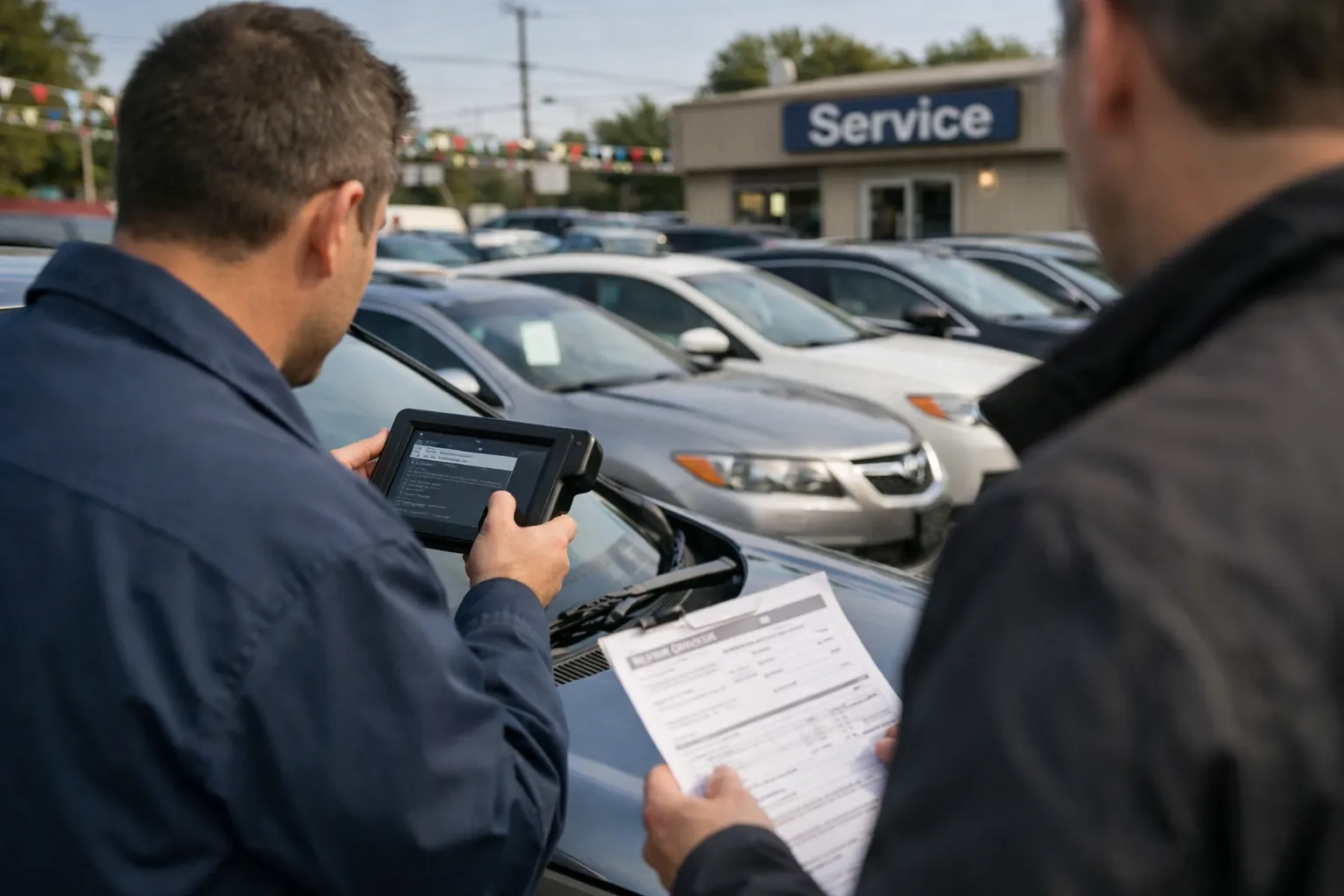
In a move that could reshape the used-car market, the National Highway Traffic Safety Administration (NHTSA) in June 2026 proposed a rule requiring dealers, brokers and online marketplaces to verify that open safety recalls have been remedied before a vehicle is transferred to a new owner.
What the proposal would require
The rule, released in a notice of proposed rulemaking (NPRM) on June 18, 2026, would obligate any party offering a used vehicle for retail sale to check the vehicle identification number (VIN) against the federal recall database and confirm completion of recall repairs before closing a sale.
- Verification methods outlined in the NPRM include queries of NHTSA’s recall database, manufacturer service records where available, and a signed attestation when repairs were performed by an independent shop with verifiable documentation.
- Sellers who discover an open recall would be required to disclose it prominently to prospective buyers and either have the repair completed or obtain a written waiver from the buyer acknowledging the open recall.
- The proposal would apply to franchised and independent dealers, auction houses that retail cars to consumers, third-party online marketplaces when they facilitate direct retail sales, and to brokers who directly arrange sales to end buyers.
Why NHTSA is pursuing this change
NHTSA says the proposal addresses longstanding safety and consumer-protection gaps. The agency cited data showing “a persistent proportion” of used vehicles with unrepaired safety recalls are sold to new owners each year, increasing the risk of crashes or equipment failures tied to known defects.
The agency’s NPRM frames the change as both a safety measure and a disclosure improvement: requiring active verification reduces the chance that buyers are left unaware of unresolved defects, while encouraging sellers to ensure repairs occur before resale.
Immediate impacts for buyers
If finalized as proposed, the rule would alter routine steps for used-car buyers in three practical ways:
- Lower likelihood of unknowingly buying a car with an open recall. A mandatory verification step would make open-recall sales rarer, especially at franchised dealerships and large online retailers.
- Clearer disclosures when recalls remain open. Buyers presented with a signed waiver would have explicit evidence of the seller’s disclosure, which could be useful if adverse events occur later.
- Potential short-term inventory delays or price effects. Dealers that previously resold vehicles without repair may hold inventory longer to complete repairs or adjust pricing to account for repair costs.
Industry response and practical hurdles
Trade groups signaled concern about implementation challenges. The National Automobile Dealers Association (NADA) noted that many independent dealers rely on auctions and third-party logistics and said the industry needs workable verification processes and timeframes to avoid inventory bottlenecks.
Smaller sellers argue that obtaining reliable repair documentation, particularly for work done by independent repair shops or overseas fleets, can be difficult. NHTSA’s NPRM acknowledges these issues and proposes several acceptable verification pathways—though some dealers say those paths may impose substantial administrative burdens.
What online marketplaces and lenders face
Large digital retailers that facilitate retail sale — as opposed to simply hosting classified listings — would fall within the proposed rule. That raises questions about who is the “seller”: the listing platform, the consignor, or a partnered retail entity. NHTSA’s proposal seeks to capture any party that completes the retail transaction, but the industry will likely push for clear allocation of responsibility.
Auto lenders and extended-warranty companies are watching closely. Lenders typically do VIN checks for title and lien perfection; adding formal recall-repair verification could change underwriting workflows. Some lenders may require proof of recall completion before funding or taking title.
What buyers should do now
Until a final rule is published, buyers retain the same practical protections they have today, but will see more formal steps if the rule is adopted. Recommended actions for prospective buyers include:
- Always check the vehicle’s VIN on NHTSA’s recall website (www.nhtsa.gov/recalls) before purchase.
- Ask sellers for written documentation of recall repairs — not just verbal assurances — and verify the repair order dates and authorized service center stamps.
- When buying from online marketplaces, insist on seller-provided VIN checks and a repair history; consider walking away from listings where documentation is incomplete.
Next steps and timeline
NHTSA’s NPRM opens a 60-day public comment period. Trade groups, consumer-advocacy organizations and large sellers are expected to submit formal comments and may request public hearings. Following review of comments, NHTSA could issue a finalized rule in late 2026 or 2027; if finalized, the agency would likely set an effective date that gives sellers 6–12 months to comply.
For used-car buyers, the proposed rule represents a potentially significant protection: reducing the number of vehicles entering commerce with unresolved safety defects. For sellers and marketplaces, it raises compliance and operational questions that will shape how used vehicles are inspected, repaired and marketed going forward.