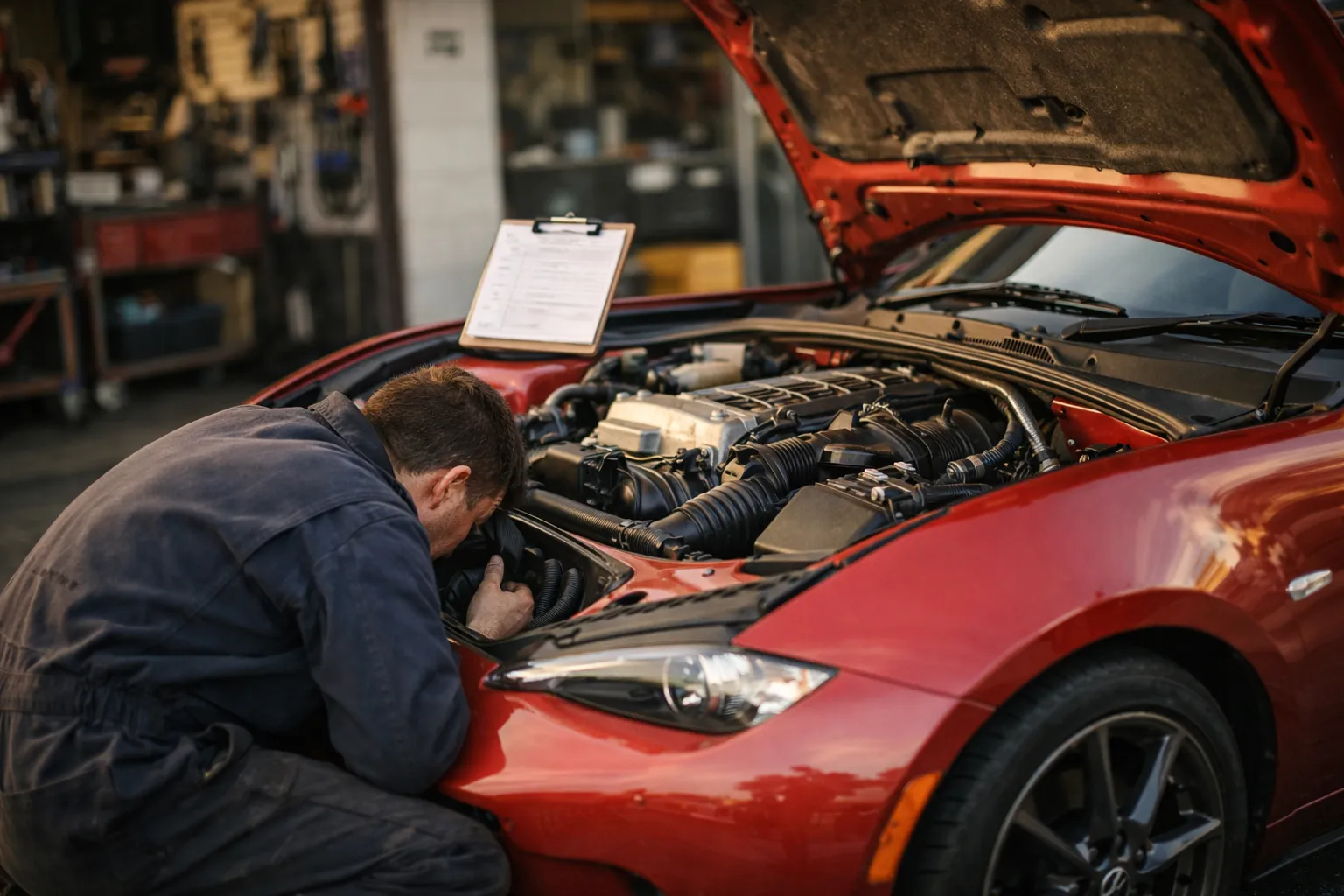
Manual-transmission sports cars have become rarer by 2026, and that rarity makes them appealing to enthusiasts — but it also raises the stakes when buying used. Manual gearboxes are forgiving in many respects, but high-performance use, aftermarket modifications and neglected maintenance can hide expensive issues. This guide walks you through a focused, practical, step‑by‑step process to research, inspect, test‑drive, mechanically verify and negotiate the purchase of a used manual-transmission sports car.
Why a dedicated manual-car buying process matters in 2026
Two trends shape the used-manual market in 2026. First, fewer new cars are offered with manuals, boosting demand for well-maintained examples of models like the Mazda MX‑5, Subaru BRZ/Toyota GR86, Honda Civic Type R, BMW M3 and select Porsche 911s. Second, owners who keep manuals often drive them hard: track days, spirited canyon runs and aftermarket tuning are common, and those habits accelerate clutch, flywheel and gearbox wear.
The result: good examples command premium prices, and convincing cosmetic history or a low odometer can be deceptive. Use a structured approach to separate true bargain finds from costly traps.
Step 1 — Pre‑purchase research (online and VIN checks)
- Confirm correct transmission and original options: Use the vehicle identification number (VIN) to decode the build. Some models had factory automatic and manual variants; confirm the car you’re considering was built as a manual.
- Search owner forums and model-specific guides: Read common failure modes for that generation (e.g., dual‑mass flywheel issues on some European cars, synchro wear on older high‑torque FWD models).
- Review service history and receipts: Prior clutch or transmission work should show receipts with parts used (OEM vs aftermarket). Absence of receipts is a red flag but not a deal-breaker; it only raises the need for a thorough inspection.
- Check title and accident history: Use Carfax, AutoCheck and state title records. Look for odometer inconsistencies, salvage brands, or frame damage that can affect driveline alignment.
Step 2 — Know model-specific issues and typical repair costs
Prepare a cost baseline for clutch and gearbox service before you visit the car. Typical 2026 U.S. cost ranges (estimates):
- Mainstream compact sports cars (Mazda MX‑5, Civic Si): clutch replacement $700–$1,800.
- Higher-performance front‑drive (hot hatches, Type R variants): $1,000–$2,500 (higher if dual‑mass flywheel or heavy-duty clutch).
- Rear‑drive performance cars and European models (BMW M, Porsche 911): $2,000–$6,000+ depending on flywheel design, access and labor rates.
- Dual‑mass flywheel replacement (where fitted): add $800–$2,500.
These ranges depend on parts, labor and regional shop rates; use them for negotiation leverage, not absolute quotes.
Step 3 — What to look for in photos and listing text
- High-quality photos of the clutch pedal area, shifter boot and transmission tunnel: torn boots, aftermarket pedal assemblies or non‑stock shifter bushings indicate modification.
- Photos of the engine bay and underside: fresh welds, non‑OEM mounts, or replaced crossmembers may indicate crash repair or hard use.
- Keywords: "clutch slipping", "pops out of gear", "replacement due" are red flags; "garage kept", "track used", "well maintained with receipts" should be validated by receipts.
Step 4 — Pre‑Inspection: what a qualified PPI should include
Always get a pre‑purchase inspection (PPI). Choose a mechanic experienced with that vehicle type or with manual transmissions. Provide this checklist to the inspector:
- Clutch condition assessment: pedal free play, engagement point, hot and cold test, signs of slipping under load.
- Transmission inspection: synchro wear (noted as grinding when shifting at lower revs), gear engagement quality, gear pop‑out in first or reverse.
- Visual check for oil in the clutch bellhousing (indicates input seal or rear main seal leak).
- Check for differential noise, fluid condition and leaks.
- Inspect drivetrain mounts for tears or aftermarket parts.
- Compression test if engine performance is in question (hard launching and clutch abuse can stress the engine).
- Scan for ECU codes and check for aftermarket tuning files or performance engine management.
Step 5 — The test‑drive protocol (ordered steps)
- Cold start and idle: Listen for abnormal noises on cold start. Let the car reach normal operating temperature.
- City drive (stops and starts): Shift through gears at low speeds. Check for smooth engagement, absence of smell of burning clutch and consistent engagement point.
- Moderate acceleration in every gear: Test for clutch slip by accelerating hard in a higher gear (e.g., 3rd gear at 3,000 rpm to 4,500 rpm). If the engine revs climb without proportional acceleration, the clutch is slipping.
- Cold & hot testing: Do at least one hot-run test after 10–15 minutes of driving; some slippage only shows when the clutch is hot.
- Uphill load test: Drive uphill and use higher gears under load to reveal slipping or weak engagement.
- Downshifts and rev‑matching: Listen for grinding during downshifts; consistent grinding can indicate worn synchros or poor clutch modulation technique by the seller.
- Gearbox engagement: Check for gear pop-out (particularly from 3rd or 4th in some models), noise in neutral, and smoothness of reverse engagement.
Recognizing common failure signs
- Burning clutch smell: Smell after moderate driving indicates slipping and reduced clutch life.
- High engagement point with long pedal travel: Could indicate worn clutch friction material or a modified flywheel/clutch combination.
- Grinding into gear: Usually synchro wear or improper clutch disengagement.
- Oil in bellhousing: Leak from input shaft seal or rear main seal — expect added repair costs.
- Clutch chatter: Vibration during engagement indicates warped flywheel or worn pressure plate—often needs resurfacing or replacement.
- Loose shifter or excessive play: Worn bushings or linkages; repairable but affects feel and value.
Dealing with modifications and track history
Many manual sports cars are modified. Some mods are benign (sway bars, suspension), while others materially impact gearbox and clutch life (heavy flywheels, big turbo conversions, aggressive clutch kits). Steps to handle mods:
- Ask for receipts: Know what was installed and by whom.
- Request dyno sheets: Look for power increases that exceed factory torque by a wide margin — those often accelerate clutch and gearbox wear.
- Check emissions and local regulations: In states like California, engine or exhaust modifications can affect smog compliance and registration.
- Accept that track history usually reduces negotiating leverage; increased wear is expected even if the car was well maintained.
Negotiation: using facts to set price and contingencies
Don’t negotiate on feelings. Use documented evidence:
- If the PPI flags clutch wear or gearbox issues, present the inspector’s estimate for repair or a written quote from a trusted shop and ask for price reduction or seller-paid repair.
- If the car has expensive non‑stock parts that you don’t want, ask for a lower price; conversely, high-quality bolt-ons with receipts can justify a small premium.
- Consider signing a conditional sale: escrow the price difference until a repair is finished (used sparingly, and only with clean title transactions).
- Factor in imminent maintenance: tires, brakes, timing belts (if applicable). Deduct respective estimates from your offer.
Paperwork, warranty and post‑purchase steps
- Obtain all service receipts, VIN‑specific build sheet (dealer can print one), title and lien release documents.
- Consider a short-term mechanical warranty from a reputable provider if available — manual‑gearbox repairs can be sudden and costly.
- Immediately perform a full fluid service after purchase if the history is incomplete: engine oil, transmission or gearbox lubricant (where applicable), differential fluid and clutch hydraulics fluid.
- Record baseline data: take photos, log pedal engagement point and fresh fluid colors and levels. This helps later if issues arise.
Quick checklist summary (printable)
- VIN build check: confirm manual transmission
- Review service history and receipts
- Check for signs of track use or heavy modification
- Get PPI focused on clutch, flywheel, gearbox and mounts
- Follow the ordered test‑drive protocol (cold → hot → uphill → load tests)
- Collect evidence for negotiation: PPI items, repair estimates, receipts
- Secure paperwork, consider short‑term mechanical warranty, and do immediate post‑purchase fluid service
Final thoughts
Buying a used manual‑transmission sports car in 2026 can be highly rewarding — you get driving engagement and often a car with character. But the manual drivetrain concentrates wear and usage in a way that requires a disciplined buying process. Do the research, insist on a PPI with manual-transmission experience, follow a methodical test‑drive plan and use documented repair estimates in negotiations. With those steps, you’ll maximize the chance of getting a car that drives like it should — and avoid a surprise bill from a failing clutch or gearbox.
Interested in model-specific checklists? Our companion guides for the Mazda MX‑5, Subaru BRZ/GR86, Honda Civic Type R and Porsche 911 provide tailored PPI items and typical repair cost examples for 2026.