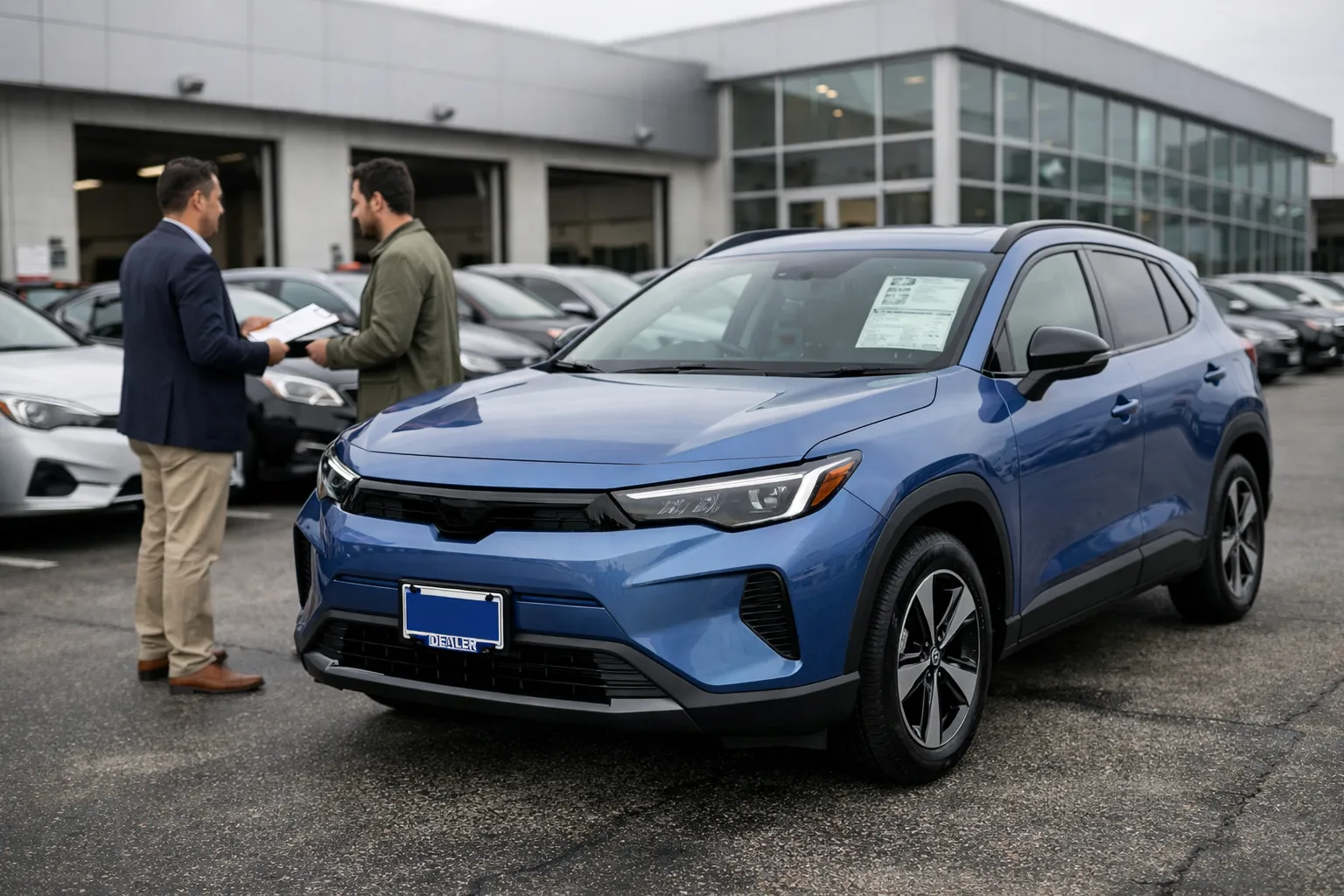
Dealer demonstrators ("demos") and fleet vehicles (including rental and corporate-fleet cars) can be one of the best value plays for car buyers in 2026 — especially for enthusiasts who want newer features without new-car premiums. But not all demos and fleet units are the same: some are lightly used, well-maintained, and still under full warranty; others carry heavy duty cycles, modified wear patterns, or software limitations that affect resale and ownership cost.
This guide walks you step-by-step through identifying suitable demo/fleet vehicles, evaluating condition and risk, calculating fair offers, negotiating, handling warranty and paperwork, and closing the purchase. It focuses on current 2026 market realities: rising supplies of electrified fleet units, more OEMs using loaner/demo pools, and growing availability of vehicle history and telematics data.
Why consider demos and fleet cars in 2026?
- Lower price for recent-model cars: Demos and fleet vehicles typically sell below new MSRP but have much less depreciation risk than older used cars.
- Newer tech at a discount: You can get current-driver aids, larger screens, and EV powertrains for substantially less than new-car pricing.
- Warranty coverage often intact: Many demos have most factory warranty remaining, and certified pre‑owned (CPO) options are sometimes available.
- More supply in 2026: Electrification of fleets, corporate vehicle refresh cycles, and OEM demo programs have increased the number of lightly used late-model units on the market.
Step 1 — Know the categories: demo vs fleet vs rental vs service-loaner
- Dealer demonstrators: Cars owned by a franchise dealer and used for test drives, sales events, or manager vehicles. Typically low miles and dealer-maintained.
- Fleet vehicles: Units sold to companies (corporate fleets, rental fleets, subscription fleets). Usage patterns vary widely: delivery vans vs sales rep sedans.
- Rental cars: Often high-mileage and subject to heavier wear; exceptions exist for premium rental fleets where maintenance is strict.
- Service loaners: Cars dealers provide to customers while their vehicles are serviced; usually low-to-moderate miles and maintained per dealership policies.
Which to choose: prefer dealer demos and service-loaners for passenger cars; be cautious with rental fleet vehicles unless maintenance records are exceptional and mileage is reasonable.
Step 2 — What to inspect (detailed checklist)
Bring a friend, a flashlight, and a phone to record. For EVs or hybrids, bring a charger if you can for a short top-up test.
- Exterior: Check for mismatched paint, oversprays, panel gaps, repaired dents, wheel curb damage, and fresh paint on individual panels (possible accident repairs).
- Interior: Inspect for seat wear, cigarette or odor smells, heavy scuffs on steering wheel/gear selector, and electronics functionality (infotainment, climate, ADAS displays).
- Undercarriage and tires: Look for uneven tire wear, aftermarket suspension parts, or fluid drips. Check spare/tools and maintenance kit presence.
- Test drive: Listen for abnormal noises, check transmission shifts, brake feel, steering alignment, and regenerative braking behavior (EVs).
- Service records: Ask for the complete dealer/fleet maintenance log. For rental/fleet cars, demand documented oil/fluids changes and major service history.
- EV/hybrid specifics: Get State-of-Health (SoH) or battery capacity data if available. Verify remaining battery warranty and request a recent battery diagnostic printout from the selling dealer or an independent EV technician.
- Telematics / usage data: For dealer demos, ask whether telematics logs are available showing route types, average speeds, and charging cycles. For fleet cars, request mileage profile and duty cycle summary.
- VIN and recalls: Confirm VIN, run a vehicle history report (CARFAX, AutoCheck) and check manufacturer recall databases for open campaigns.
Red flags
- No maintenance records or incomplete logs.
- Multiple small repairs or repeated parts replacement in history.
- Battery capacity below >85% of new for EVs under five years old (request diagnostic proof).
- Signs of commercial modification (ladder racks, aftermarket lights) unless you intend commercial use.
Step 3 — Determine value: realistic price ranges and how to calculate them
Use three data points: market pricing websites (Kelley Blue Book, Edmunds), dealer list prices, and recent retail sale comps in your metro. Demos and lightly used fleet cars commonly sell at discounts that vary by type:
- Dealer demos and loaners: Often 8–18% below new MSRP depending on mileage (1–10k mi typical) and trim.
- Corporate fleet sedans: Typically 10–20% off MSRP if well-maintained and low- to mid-mileage.
- Rental fleet (mass-market) cars: Wide range — 15–30% off and more, but with increased risk from wear.
Adjust for 2026 specifics: EV demo supply has pushed some models’ demo discounts toward the high end of these ranges. Also account for dealer incentives, state rebates (if transfer rules permit), and CPO premiums.
Step 4 — Warranty, CPO, and buyback protections
- Factory warranty: Check remaining coverage and whether the powertrain/battery warranty transfers. Use manufacturer VIN lookup tools or ask the dealer to verify in writing.
- CPO programs: Demos sometimes qualify for CPO, which adds inspection-backed coverage — weigh the added cost against uncovered risk.
- Extended warranties: If buying an EV, compare the cost of extended battery coverage vs expected battery decline—get explicit terms about capacity guarantees and replacement thresholds.
- Return and arbitration policies: Ask the dealer for any short return window or arbitration/third-party inspection allowance before final sale.
Step 5 — Negotiation strategy (step-by-step)
Negotiating a demo or fleet car is different from haggling new-car fees. Use the vehicle’s specific status as leverage.
- Get preapproved financing: Arrive with at least one external financing preapproval. It gives you leverage and helps compare dealer financing.
- Start with a realistic anchor: Open with an offer 8–12% below the posted price for dealer demos with 10k miles; adjust downward for higher mileage or rental history. For fleet cars without CPO, open 15–25% below new MSRP as a starting point.
- Use inspection findings: Cite any needed maintenance, tires, or cosmetic fixes as bargaining chips to lower price or obtain credits.
- Ask for inclusions: If dealer resists lowering price, request free maintenance for a set period, a certified inspection, or inclusion of accessories (floor mats, charging cable, new tires).
- Don’t accept ambiguous software policies: If the vehicle has optional paid features (navigation subscriptions, OTA-locked options), demand written confirmation of what is active and transferable.
- Be prepared to walk: Inventory of demos/fleets varies by region. Demonstrating willingness to walk and referencing nearby comps strengthens your position.
Sample script: “I like this 2026 [make/model], but the 7,200 miles and a new set of tires needed mean I’d pay $X today. If you can include a documented battery health check and a 3-month maintenance package, I’m ready to sign.”
Step 6 — Financing, tax, and registration nuances
- Sales tax: Tax treatment is the same as any used or new purchase — calculate tax on the negotiated sale price. Some states treat dealer demos differently; confirm with your DMV.
- Incentives and rebates: Manufacturer retail incentives usually apply to new retail sales and may not apply to demos or fleet disposals. EV rebates often require new sale qualifications; verify eligibility before assuming a rebate.
- Loan terms: Lenders may price rates slightly differently for demonstrators vs new cars because of collateral age; bring preapproval to compare.
Step 7 — Paperwork and closing checklist
- Obtain a signed bill of sale that lists mileage, sale price, and any included service or accessories.
- Get the odometer statement and confirm the vehicle’s class (dealer demo, rental, fleet) in writing.
- Receive all service records, the original window sticker (if available), key sets, remote manuals, and charging equipment for EVs.
- Confirm warranty transfer paperwork or CPO certification in writing; get an explicit statement about open recalls and completion.
- Before taking delivery, inspect the vehicle again and photograph agreed cosmetic/condition points.
After purchase: short-term steps
- Schedule a full service inspection: Even if dealer-inspected, get an independent shop or the manufacturer dealer to run a full diagnostic within the first 30 days.
- Register and update software: Register with the manufacturer for warranty records and update vehicle software so you receive patches and feature updates.
- Track ownership costs: Use an app or spreadsheet to log maintenance, unexpected repairs, and charging/fuel costs to benchmark the vehicle’s real TCO.
When to walk away
Decline a demo or fleet car if:
- There are gaps or contradictions in the maintenance history.
- Battery diagnostics show accelerated degradation for EVs or hybrids without warranty coverage.
- There’s evidence of severe hard use (commercial conversions, overloading, flood damage).
- The dealer refuses to put agreed items in writing (warranty status, included maintenance, or software access).
Case example — A realistic scenario (2026)
John, a buyer in Atlanta, inspected a 2026 compact EV demo with 6,800 miles listed at $34,500 (MSRP $42,000). Dealer demos for that model averaged 10–16% off MSRP in the region. John requested a battery health printout — it showed 94% capacity. He negotiated:
- A $3,000 price reduction citing demo mileage and missing retail incentives.
- Inclusion of a 12-month complimentary maintenance package and a new set of winter tires (value ≈ $800).
- Written confirmation that the remaining battery warranty (8 years/100k miles prorated) transfers to him.
Final sale price: $31,500 with documented warranty transfer — result: a 25% effective discount off MSRP when factoring in included items and expected registration fees.
Final tips for car-buying enthusiasts
- Educate yourself on the specific model’s common wear points — owner forums and enthusiast groups are excellent resources.
- For EVs, insist on a battery diagnostic and clarify the manufacturer’s definition of “capacity failure” for warranty claims.
- Use regional comps — what’s a good demo discount in Phoenix may not hold in Boston.
- Document everything in writing — verbal promises are difficult to enforce later.
Buying a demo or fleet car in 2026 can be a smart, cost-effective route to a newer vehicle with modern features. The keys are careful inspection, sensible valuation, and firm written protections for warranty and condition. With the steps in this guide, car-buying enthusiasts can confidently evaluate the trade-offs and secure one of the market’s better bargains while avoiding common pitfalls.