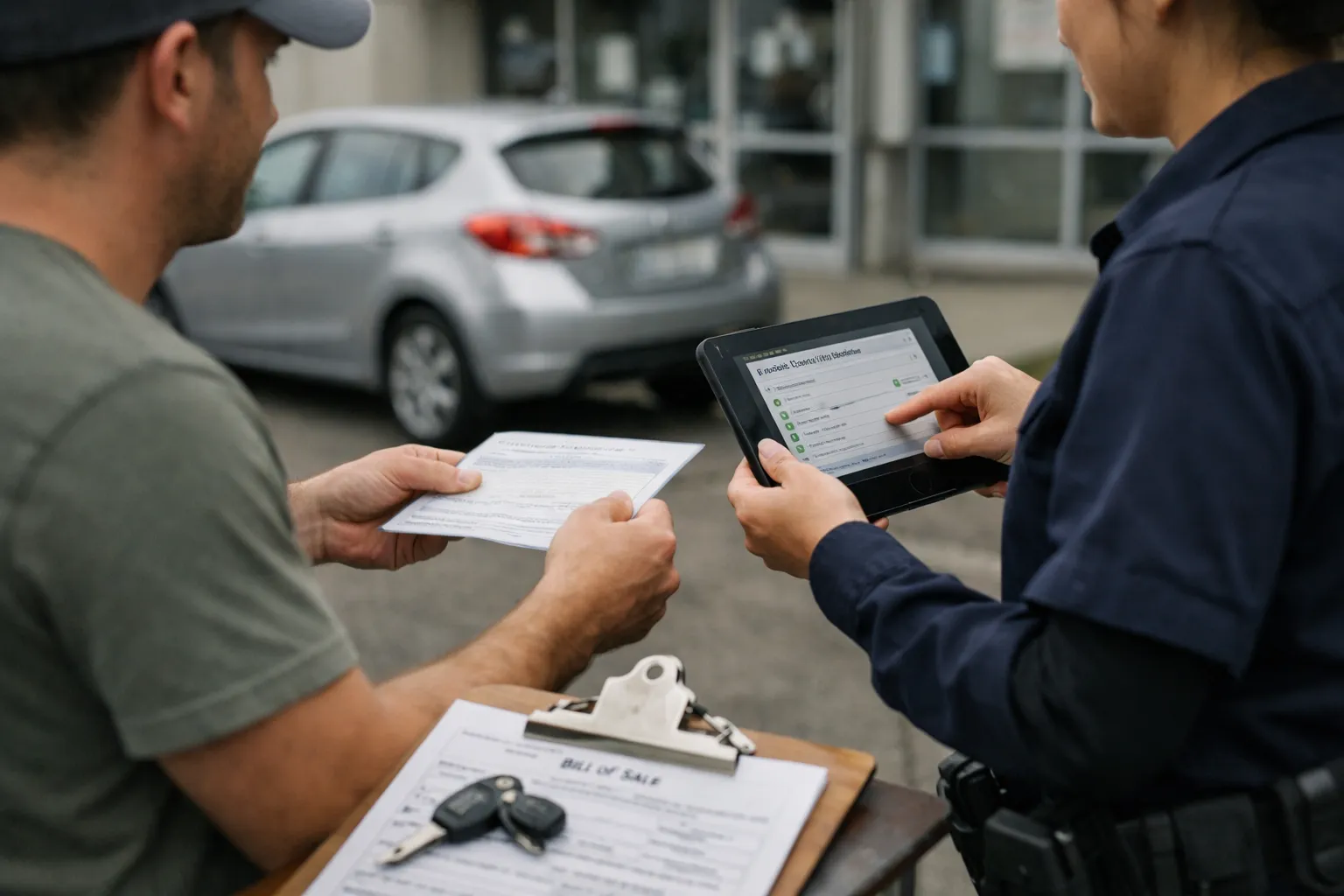
Across 2026 a wave of state motor‑vehicle agencies have expanded or launched electronic title (e‑title) systems, and car buyers are starting to see the effects at closing. The shift from paper certificates to digital title records is shortening transfer timelines for private‑party transactions, enabling faster turnover for online dealers and changing the rules for lien management — but it also introduces new verification tasks for buyers and sellers.
What changed in 2026
State departments of motor vehicles and revenue agencies have accelerated e‑title rollouts this year. Those systems replace the paper certificate of title with a state‑maintained electronic record that shows current ownership, liens and release status. For buyers, the most visible change is speed: where transfers and lien releases once required mailing, overnight couriers or in‑office visits, many transactions can now be completed in hours or days through electronic filings between the DMV, lenders and dealers.
Online marketplaces and some independent dealers have integrated with e‑title networks to automate payoff and title transfer steps. That reduces the logistical friction that long delayed private‑party closings — for example, waiting for a lender to mail a lien release before a buyer could register a vehicle. The result: quicker registration, faster ability to insure and drive the vehicle legally, and a shorter window for sellers to remain financially exposed.
Why this matters to car buyers
- Quicker possession and registration. In e‑title states buyers can often complete registration and get license plates the same day or within a few business days, rather than waiting for mailed paperwork.
- Tighter lien handling. Electronic lien recording makes it easier for lenders to show when a loan is satisfied — but it also means buyers must confirm that a lender’s e‑lien release has been posted before finalizing payment.
- Lower reliance on physical escrow. Some private‑party sales that previously used third‑party or bank escrow services are moving to electronic bank payoffs tied to DMV updates; buyers should confirm the payoff and title status rather than assume completion.
- Faster online closings. Marketplaces that connect directly to state e‑title hubs can deliver quicker deliveries and avoid title courier fees — an advantage that is altering delivery timelines and costs.
New friction points and risks
The move to digital titles brings benefits — and a set of new pitfalls for the uninformed buyer.
- Inconsistent state coverage. Not all states have full electronic title systems or identical features. Buyers who travel or purchase from out of state must check the seller’s state process and whether an e‑title transfer will be possible.
- Timing of lien releases. Electronic payoff postings usually occur faster, but not instantly. A sizable risk arises when a buyer releases funds before the e‑lien has been cleared in the DMV record. That can leave a buyer unable to register the vehicle.
- Identity and fraud concerns. Criminals have responded to digital processes with identity misuse (fraudulently transferring or encumbering titles). Buyers should verify seller identity and confirm that title activity is authentic on the DMV portal or via the lender.
- Dealer and lender integration gaps. Smaller lenders and some buy‑here‑pay‑here operations may not be fully integrated with e‑title hubs, creating hybrid workflows where some steps are digital and others remain paper‑based.
Practical checks for buyers
Whether you’re buying from a private seller, a dealer or an online marketplace, these steps will help ensure a clean, fast transfer:
- Check your state DMV’s e‑title status. Visit the state DMV website or call to confirm that e‑title transfers are supported and learn what documentation is required for a buyer.
- Confirm lien payoff procedures. If the seller owes money, confirm how the lender posts an e‑lien release and ask for the expected timeline. Insist on verification that the lien is released in the DMV record before finalizing payment.
- Use bank or marketplace payoffs that interface with DMV. When available, prefer payment pathways that send payoff notices directly to the lender and DMV and produce an electronic receipt tied to the title record.
- Obtain a digital transfer receipt. Ask for the e‑title transfer confirmation number or receipt from the DMV; keep screenshots and transaction IDs until registration is complete.
- Verify seller identity and VIN history. Scan and compare the seller’s ID with the name on the title record and run standard vehicle‑history checks (including NMVTIS where required) against the VIN.
- Retain a bill of sale. Even with e‑titles, a contemporaneous, signed bill of sale that records the sale price, odometer reading and date remains essential for tax and registration queries.
Market implications
Faster transfers are already nudging behaviors. Private buyers may be willing to accept slightly larger deposits when transfer time is measured in hours rather than weeks. Online dealers gain an operational advantage where they can promise same‑day registration and delivery. Lenders are investing to ensure e‑lien integrations are reliable, and title insurers are adjusting verification workflows to accommodate digital records.
For local markets, the change could reduce the premium buyers previously paid to avoid title headaches. Conversely, digitalization raises the bar for fraud prevention — and buyers who don’t take simple verification steps could find themselves on the wrong side of a fast transaction.
Bottom line
Electronic titles are making car transfers faster and reducing some of the administrative bottlenecks that have long slowed private‑party and online transactions. That’s a net positive for buyers — provided they understand the new checks required: confirm state processes, verify lien releases in the DMV record, and keep clear digital receipts. As more states complete e‑title rollouts, car buyers who adapt to the new paperwork routines will benefit from faster closings and fewer trips to the DMV — but complacency can still cost you time and money.