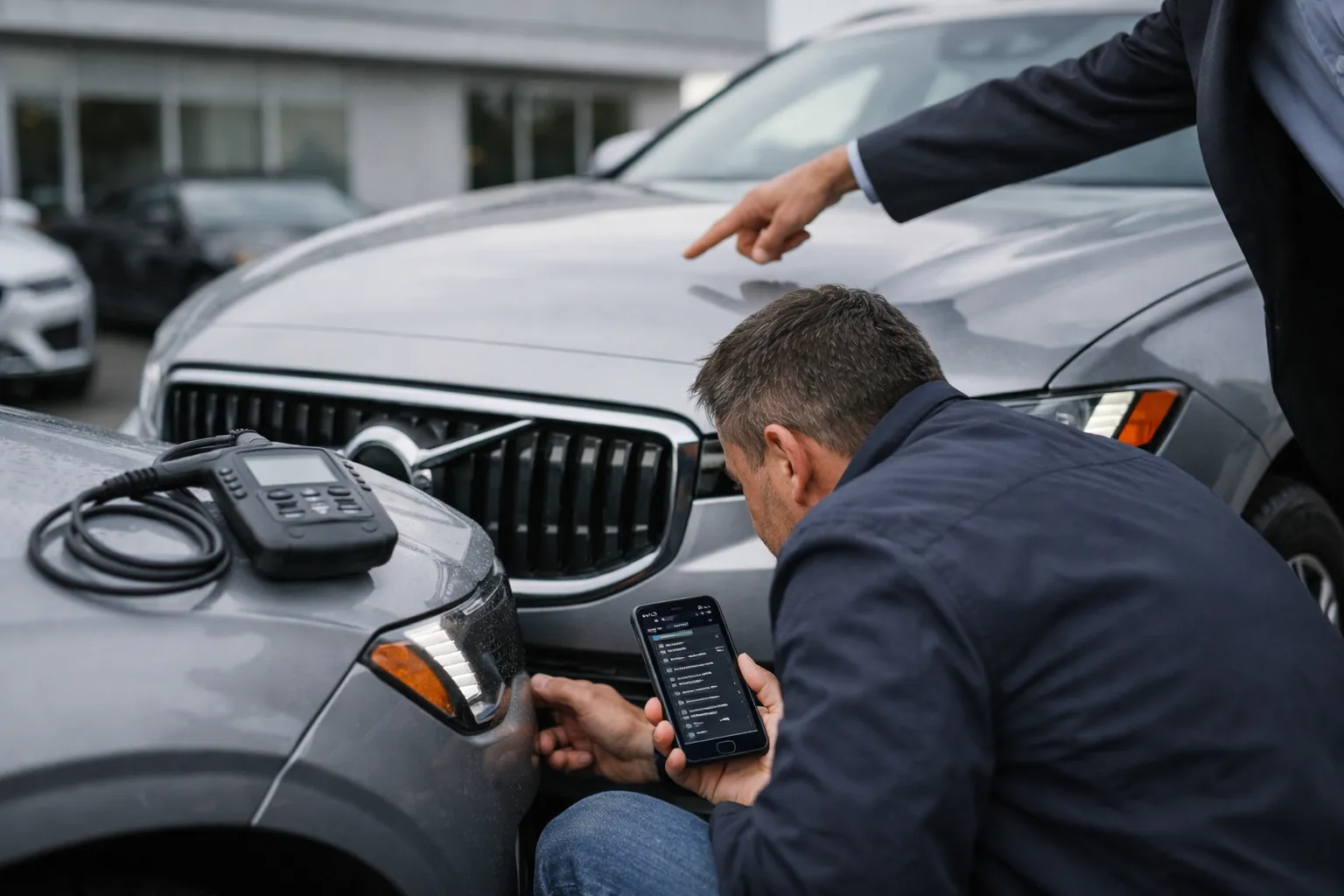
Advanced driver‑assist systems (ADAS) — lane keeping, adaptive cruise, hands‑on driver assistance and branded systems such as Tesla Full Self‑Driving (FSD), GM Super Cruise, or Ford BlueCruise — are common on late‑model used cars in 2026. They can add convenience and value, but also complexity: hardware may be intact while software requires a subscription or activation keyed to the previous owner, calibrations may have drifted after repairs, and insurance/repair costs differ from conventional cars.
Why this guide matters in 2026
Through 2024–2026 automakers increasingly split ADAS into hardware (sensors, cameras, radars, ECUs) and software/services (onboard compute, mapping, subscriptions, over‑the‑air updates). For buyers, that means a used car might physically have the sensors but not the licensed software or active features, or the vehicle may need recalibration after structural repairs. This guide walks you through a practical, step‑by‑step process to buy a used car with ADAS while minimizing surprises.
Step 1 — Decide what ADAS capability you actually want
Not all ADAS is equal. Start by listing the features that matter to you and how you’ll use them:
- Driver assistance for highway commuting (hands‑on lane‑centering + adaptive cruise).
- Low‑speed traffic assist or enhanced parking features.
- Safety alerts such as blind‑spot monitoring, automatic emergency braking (AEB) and pedestrian detection.
- Full‑stack “navigate on autopilot” branded systems (variously marketed as partial automation).
Decide whether you need continuously active, subscription‑based features or simply the safety basics (AEB, lane departure warnings). Your choice will shape which models and trims are suitable.
Step 2 — Research model‑specific implementation and transfer rules
Before shopping, research how the target manufacturer implements and monetizes ADAS. Key questions to answer for each make/model:
- Is the ADAS feature hardware‑only or does it require a paid subscription for full functionality?
- Is the subscription transferable to a new owner, and if so, what is the process?
- Are there known firmware/compatibility issues or high repair costs for sensors and cameras?
- Does the vehicle receive OTA updates tied to the original owner account?
Sources: manufacturer owner sites, owner forums, recent news articles, and VIN‑level build sheets. When reading forums, treat individual experiences as clues to verify, not proof.
Step 3 — Use VIN decoding and build sheets to confirm hardware
Get the VIN for any car you’re considering and decode its build sheet to confirm ADAS hardware options. The goal is to verify the physical presence of cameras, radar, lidar (if present), and additional sensor suites.
- Request the original Monroney (window) sticker or build sheet from the seller or dealer. Dealers can often pull the factory build or option list from the VIN.
- Use reputable VIN‑decoding services or the manufacturer’s owner portal to verify whether the car is fitted with the ADAS package you expect.
- Check vehicle history reports (Carfax, AutoCheck) for items flagged as “ADAS module replaced,” major structure repairs, or airbag deployments; those can indicate sensor misalignment or past collisions.
Step 4 — Ask the right questions about software, subscriptions and accounts
Many of the biggest surprises are administrative, not mechanical. Ask the seller these direct questions and insist on written confirmation before purchase:
- Is any ADAS functionality tied to a subscription or owner account? If yes, is the subscription active and transferable?
- Has the vehicle ever had an ADAS module replaced, calibrated, or reprogrammed? Ask for invoices and shop names.
- Are there pending manufacturer recalls related to ADAS hardware or software? (You can independently check NHTSA recall records with the VIN.)
- Will the seller provide a written warranty/confirmation that certain ADAS features will be activated at sale? If a dealer, request this on dealer letterhead or in the sales contract.
If the seller says a feature is tied to a manufacturer account that cannot be transferred, treat that car as if it lacks the active software — and price it accordingly.
Step 5 — Inspect sensors, cameras, and the windshield area
A visual inspection can reveal obvious issues that impact ADAS performance. During an in‑person check or inspection hire, examine:
- Windshield and camera housing area: chips, cracks, or aftermarket windshields can misalign camera mounts.
- Front fascia and grill: evidence of impact, replaced panels, or mismatched paint can hide radar replacement or misalignment.
- Underbody and bumper mounts: loose sensors or displaced brackets can indicate previous repairs.
- Look for non‑OEM sensors or bumper repair seams — reputable collision repair shops should provide documentation for ADAS recalibration after repairs.
Tip: Photograph the camera module and radar grill from multiple angles. If you later need proof to negotiate or to show a specialist, these images help.
Step 6 — Test‑drive focusing on ADAS behavior
Arrange a test drive that intentionally exercises ADAS features. Bring the owner’s manual or a smartphone with the vehicle’s ADAS settings screen so you can confirm what’s enabled.
- Highway run: Enable adaptive cruise and lane‑centering. Verify how the system handles lane changes, curves, and on/off ramps. Note whether hands‑on prompts appear and how frequently.
- Adaptive braking: In safe conditions, approach slower traffic and observe AEB and forward collision warnings — sensitivity and false alarms are important to note.
- Blind‑spot/park assist: Test crossing traffic detection and parking aids at low speed.
- Edge cases: Try sharp curves, changes in lane markings, and heavy traffic to observe performance limits.
Record video of the HUD or instrument cluster while testing ADAS alerts (with permission). This documents behavior and can be useful if a later claim about functionality is disputed.
Step 7 — Use diagnostics and an ADAS‑aware pre‑purchase inspection
Even careful visual and functional tests miss hidden issues. Pay for a pre‑purchase inspection that specifically checks ADAS sensors and calibrations. Items to request:
- OBD‑II scan and manufacturer‑level diagnostics for stored fault codes in ADAS ECUs.
- Sensor alignment and calibration status; shops with calibration rigs can confirm whether camera/radar calibration is within factory tolerance.
- Verification of module software versions if the inspector has OEM access (important when a recall patch or update is known to fix behavior).
Specialist ADAS calibration shops or dealer service centers can do comprehensive checks; independent mechanics without ADAS equipment may miss calibration errors.
Step 8 — Check recalls, campaign fixes, and insurance implications
Run the VIN through the NHTSA recall database and check manufacturer service campaigns. ADAS-related recalls and campaigns are common and sometimes require software reflashes or hardware replacement.
Also get insurance quotes before buying. Cars with ADAS can reduce premiums in some cases but may raise repair costs after a claim — radar and camera modules, calibration, and aligned structural parts are expensive to replace. Ask insurers whether sensors or ADAS features affect rates and claims handling.
Step 9 — Negotiate price using concrete adjustments
When you know which parts of the ADAS stack are present and which are active (or inactive), translate that into dollar adjustments:
- If hardware exists but software is a paid subscription that the seller won’t transfer, subtract the present value of the subscription (ask the manufacturer current pricing) or request the seller pays for an activation period.
- If calibration is overdue or there is a history of repairs, estimate the cost of calibration/repairs from a local dealer or specialist and deduct those costs.
- If ADAS features were a major selling point but are nonfunctional, treat the car like a lower trim level without those features when comparing market comps.
Get negotiated promises in writing: a sales contract clause that specifies which ADAS features will be active at sale, any pre‑delivery calibrations, and the consequences if those conditions aren’t met.
Step 10 — Post‑purchase activation and ongoing maintenance
After purchase, complete these steps immediately:
- Transfer manufacturer accounts where necessary. Some manufacturers require account transfer or dealer assistance to enable full ADAS features — do this while the seller is still reachable.
- Schedule an ADAS calibration at a certified shop if there’s any doubt about sensor alignment after delivery.
- Enroll the car in the manufacturer’s maintenance and update system to receive OTA software updates and safety patches.
- Keep detailed service records of any calibration or ADAS‑related service to preserve resale value.
Quick checklist: Questions to ask and test items before you buy
- Does the car have the ADAS hardware per the VIN/build sheet?
- Which ADAS features are active, and are any subscription‑locked?
- Can the subscription or license be transferred, and how?
- Any ADAS‑related recalls, module replacements, or calibration invoices?
- Was the windshield or front structure ever replaced? Ask to see repair documentation.
- Will the seller provide a written confirmation of active features at sale?
- Have you done a test drive exercising systems and recorded behavior?
- Has a specialized ADAS pre‑purchase inspection been performed?
Final considerations: balancing convenience, risk and value
ADAS can significantly improve comfort and safety — when it works. In used‑car shopping in 2026, the chief risks are administrative (nontransferable subscriptions or owner‑tied software), calibration/replacement costs after repairs, and variable performance across manufacturers and model years.
Buyers who prioritize guaranteed active ADAS should prefer vehicles where the seller can demonstrate active, transferable features and provide documented calibration history. Buyers on a budget who can live without subscription features may find excellent value in cars with factory hardware but inactive software, provided the price reflects that difference.
Used‑car shopping with ADAS requires more diligence than a conventional purchase but following the steps above will let you quantify issues, negotiate from facts, and take home a vehicle where the advertised driver‑assist features actually deliver on the road.