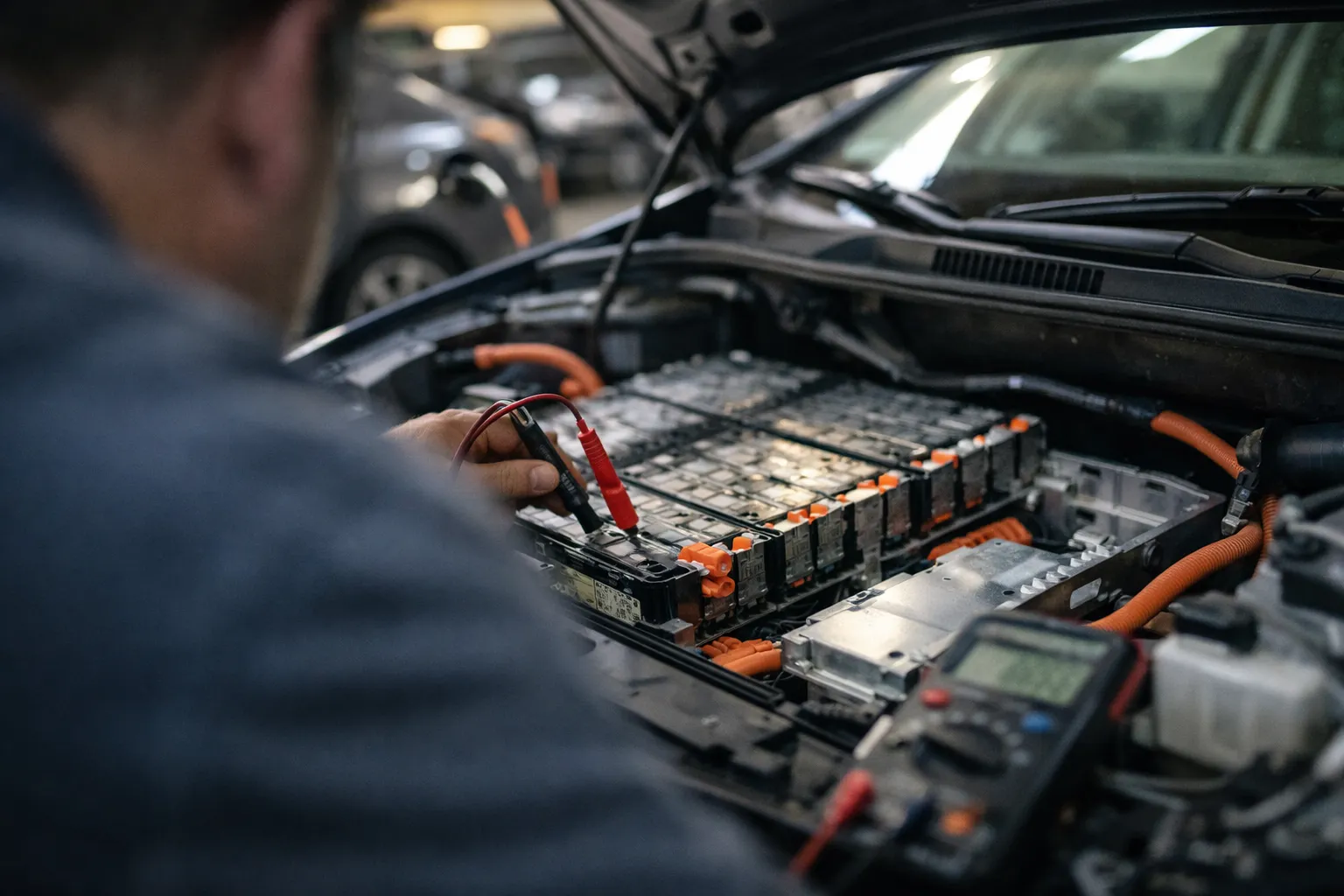
Overview: As of October 2026, battery chemistry and warranty status remain central to used‑EV valuation, but the market dynamics have shifted. Widespread adoption of lithium‑iron‑phosphate (LFP) cells in entry‑level models, more visible battery health certification from OEMs and third parties, and improving second‑life and recycling economics are changing how buyers, dealers and appraisers price risk. This update explains what has changed since mid‑2026, what still matters, and concrete steps buyers should take today.
Background: what led us here
Through the early 2020s automakers moved aggressively to cut pack costs and reduce exposure to volatile nickel and cobalt markets. Tesla’s and BYD’s early LFP deployments for standard‑range trims are well documented; by 2024–25, many mainstream OEMs followed suit for low‑to‑mid range models. Simultaneously, warranty programs and CPO practices matured: manufacturers and large dealers standardized battery‑health reporting in their certified programs, making State‑of‑Health (SoH) data a routine part of higher‑end listings.
These changes created a used market where chemistry (LFP vs NMC), demonstrable SoH, and warranty transferability often matter as much as mileage and trim. Since mid‑2026, three forces have further reshaped pricing: broader LFP penetration, better availability of verifiable diagnostics, and growing infrastructure for second‑life reuse and recycling that lowers replacement cost risk.
Data and evidence: what the market shows now
- Greater LFP supply: LFP packs now represent a much larger share of used‑EV inventory in North America and Europe for sub‑long‑range models. That abundance has softened the LFP “safety” premium in some metro markets, though LFP still commands higher resale in hot climates and among buyers prioritizing long cycle life.
- Warranty visibility matters: Certified pre‑owned programs and dealer listings that include an OEM battery certification or recent BMS snapshot sell noticeably faster and at tighter price spreads than comparable private‑sale listings without documentation. Dealers report fewer post‑sale disputes when battery data are provided up front.
- Replacement‑cost tail risk is easing but not gone: More recycling plants and module‑swap operations came online during 2025–26, reducing lead times and, in some cases, the headline cost of full pack replacement. However, OEM pack replacements (with factory labor and software pairing) still often remain a five‑figure expense for larger packs, so replacement risk still depresses values where warranties are expired.
- New diagnostics and standardized reports: Several OEMs and independent firms have adopted more consistent SoH reporting formats that show pack capacity, voltage spread, module temperatures and recent high‑power event history. Buyers increasingly expect one standardized report on CPO and dealer listings.
Multiple perspectives: dealers, OEMs, recyclers and buyers
Dealers: Dealers tell us that transparency sells. Listings with OEM‑issued battery health certificates or independent reports reduce time on lot and shrink post‑sale returns. Many dealers now include a short battery warranty or sell inexpensive battery‑coverage add‑ons to reduce buyer anxiety.
OEMs: Automakers emphasize warranty terms and software management as the primary consumer protection. Several OEMs have expanded warranty language since 2024 to clarify SoH thresholds and transferability; others now provide online VIN‑based warranty lookups and downloadable battery reports at the time of sale.
Recyclers and second‑life firms: Companies that repurpose EV packs for stationary storage or remanufacturing report growing demand from utilities and commercial customers. That demand increases the salvage value of degraded packs and lowers replacement cost pressures for owners and insurers, which in turn narrows depreciation for older EVs with documented module‑level issues.
Buyers and consumer groups: Consumer advocates continue to press for clearer warranty transfer rules and uniform SoH disclosure. In several regions, industry bodies recommended—but have not mandated—a standard SoH format; adoption is uneven but accelerating.
Why chemistry still matters — and where its premium is changing
LFP’s strengths remain relevant: intrinsic thermal stability, lower cost, absence of cobalt and nickel dependence, and historically higher cycle life at moderate depths of discharge. That makes LFP‑equipped used cars attractive for budget buyers and fleet conversions. However, two simultaneous trends have moderated the market premium for LFP in 2026:
- Supply growth: a larger base of LFP‑equipped units in the used‑car pool reduces scarcity premiums, especially in colder or temperate regions where thermal stress is less of a concern.
- Diagnostics and repair options: improved module‑level remanufacturing and clearer SoH reporting mean buyers can assess and price remaining useful life precisely, so chemistry alone is less of a proxy for risk.
That said, in hot climates or high‑end long‑range segments where energy density and fast‑charging behavior dominate, NMC packs with robust thermal management still command price premiums when they show strong SoH.
Updated practical checklist for used‑EV buyers (Oct 2026)
- Demand a standardized battery report: Ask for an OEM or third‑party SoH certificate showing current usable capacity (kWh), voltage spread by module, and recent thermal events. Many CPO listings include this; insist on it for private sales.
- Confirm chemistry and pack revision: Identify cell chemistry (LFP vs NMC) and whether the pack is an early‑generation or later revision—revisions can include improved thermal management or software that affects usable capacity.
- Check warranty transfer and digital proof: Verify remaining warranty term via OEM VIN lookup and request written confirmation of transferability (some extended warranties still restrict transfer without dealer processing).
- Review charge and telematics history when available: A pattern of repeated DC fast‑charging or constant daily 100% state‑of‑charge raises risk for some NMC packs; frequent shallow cycling favors LFP longevity. OEM apps and telematics exports can validate charging patterns.
- Look for recall and repair records: Use national recall databases and the vehicle’s service history to confirm pack‑related recalls were completed.
- Negotiate using quantified tail‑risk: If the SoH is below comparable listings or warranty gaps exist, convert the estimated remaining useful capacity into a dollar adjustment or demand a repair credit, third‑party inspection, or temporary dealer battery warranty.
New negotiation tools and valuation approaches
Buyers now have practical levers beyond the old "visual and drive" inspection:
- Battery escrow: Structure part of the payment into escrow for 30–90 days to allow independent battery verification—common with private‑party deals.
- Conditional warranties and buybacks: Ask dealers to include short‑term battery warranties or a conditional buyback if SoH drops below an agreed threshold during the first year.
- Module‑level repair credit: Where independent remanufacturers have pricing, negotiate a credit tied to module replacement rates rather than full factory pack swaps; this often reduces the financial impact of partial degradation by a large margin.
Implications for ownership and resale
For long‑term owners, chemistry is less determinative if the remaining warranty covers the intended ownership horizon and the vehicle demonstrates stable SoH. For shorter‑term buyers and resellers, cars with documented SoH, clear transferability and accessible remediation options (module remanufacture or strong CPO backing) retain the most predictable resale value.
Market signals to watch now: widespread adoption of a single SoH reporting standard would further compress chemistry premiums, while any new large‑scale thermal‑related recall for a mainstream NMC design could temporarily reverse that trend. Likewise, faster growth in second‑life demand will progressively reduce the financial tail risk from replacement costs.
Outlook: what to watch through 2027
Expect incremental rather than disruptive change. LFP penetration will continue to rise in entry segments, and SoH transparency will broaden. Replacement costs should edge down as remanufacturing and recycling scale, but OEM factory replacements and software‑paired pack issues will keep replacement a material risk for out‑of‑warranty vehicles. Buyers who insist on documented battery health and creative deal structures (escrow, conditional warranties, module credits) will capture the best value in this still‑maturing market.
FAQ: Common buyer questions (Oct 2026)
How much should I pay for a verified SoH report?
Many OEM or dealer‑provided SoH certificates are included with CPO pricing. For private‑party sales, independent third‑party battery diagnostics typically range from a modest flat fee to a few hundred dollars—well worth the cost when it clarifies a potential five‑figure replacement risk. Get the report before finalizing price or structure the payment contingent on a satisfactory report.
Does LFP mean I should never worry about battery replacement?
No. LFP is generally more tolerant of deep cycling and heat, but packs still age and can suffer module‑level faults, connectivity issues, or BMS software faults. LFP reduces—but does not eliminate—tail risk. Always verify SoH and warranty status.
Can I rely on a dealer's short‑term battery warranty?
A short dealer warranty can meaningfully reduce near‑term risk, but read exclusions carefully (e.g., they may cover only certain failure modes or require OEM parts). Prefer warranties that explicitly state SoH thresholds and whether repairs use OEM parts or remanufactured modules.
How much do second‑life and recycling improvements actually affect my price negotiation?
They matter because they change the expected cost of remediation. Where module remanufacture and second‑life markets are robust locally, dealers face lower ultimate replacement costs and may be willing to offer smaller discounts for degraded SoH. Conversely, in regions without nearby remanufacturers, expect larger price adjustments for uncertain battery health.
What's the single most valuable thing to get from a seller?
An OEM‑issued battery health certificate tied to the vehicle VIN and dated within the last 30 days. It reduces uncertainty more than anecdotal charging histories or seller assurances and gives you a concrete basis for negotiation.
Bottom line: In October 2026, chemistry and warranty still shape used‑EV pricing, but buyers now have clearer tools and market signals to quantify that risk. Demand standardized SoH evidence, verify warranty transfer, and use conditional deal structures when SoH or coverage is uncertain. With those facts in hand, you can convert technical battery details into measurable negotiation advantages.