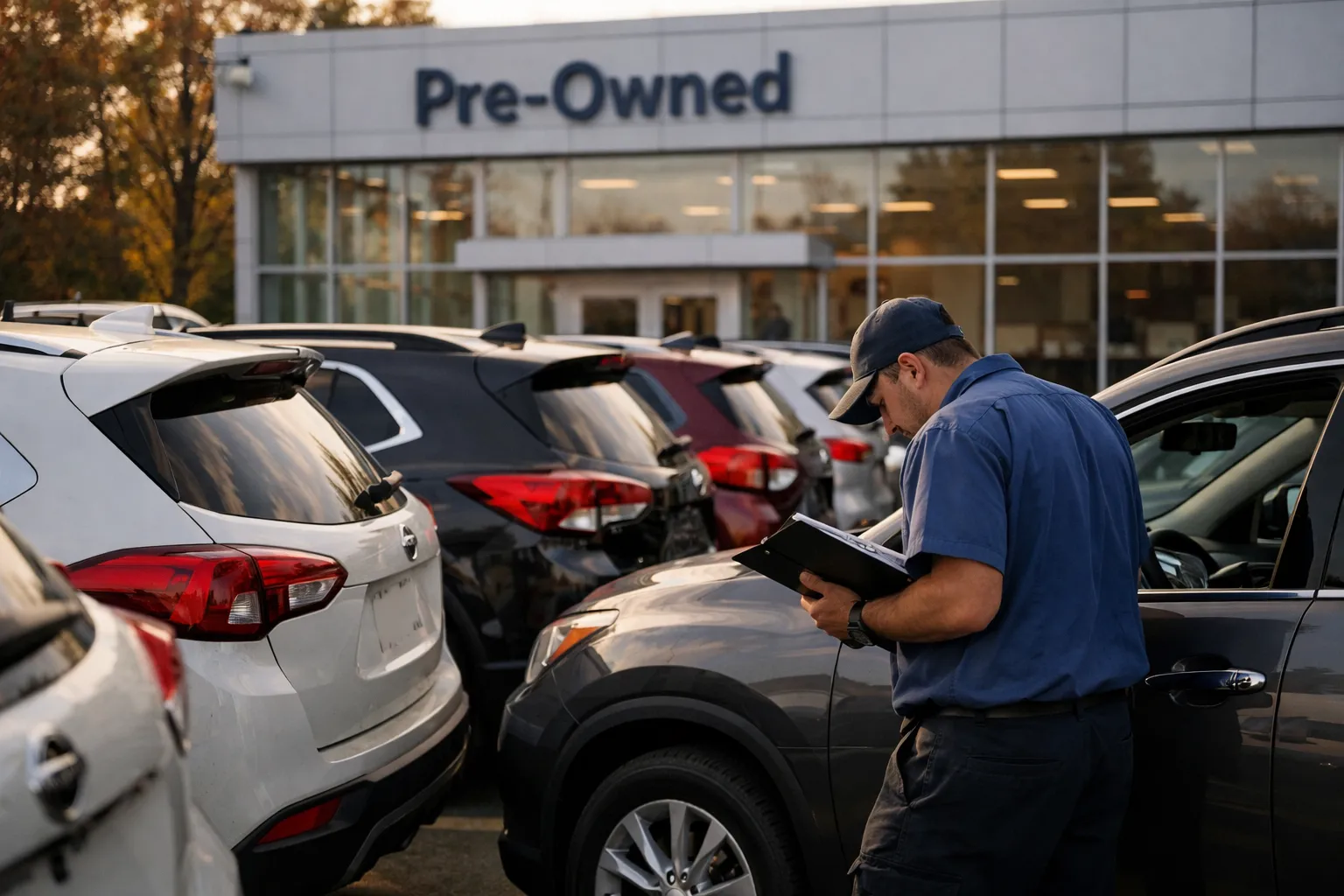
After several years of constrained inventory and elevated used-car prices, 2026 has brought a structural shift: a large, sustained wave of lease returns is moving significant volumes of near-new, low-mileage vehicles from finance companies and OEM captives into wholesale channels and onto dealer lots. For car-buying enthusiasts this is important because it changes where value is found, how price negotiations work, and which risks buyers must weigh.
What’s driving the 2026 lease-return wave?
The wave traces to leasing patterns from 2022–2024. During those years, both captive finance arms and independent lessors expanded lease programs to attract buyers faced with high new-vehicle prices and tight inventory. Many of those contracts were for 36–48 months, meaning a large cohort matured in 2026.
Two additional dynamics amplified returns this year:
- Higher residual-value conservatism in leases signed during 2022–24. Lessors priced conservatively because of volatile wholesale markets, lowering monthly cost but producing more frequent returns when expected ownership durations shortened.
- Improved availability of replacement inventory. New-vehicle production normalized in 2025–26, so some lessees opted to return and replace rather than extend, boosting volumes of trade-ins and turn-ins.
How the supply surge affects pricing and segments
Not all lease returns are equal. The most plentiful segments are compact and midsize crossovers, luxury compact sedans and compact electrified models—vehicle types heavily promoted in lease deals earlier in the decade. The net market effects include:
- Softening premiums on one- to three-year-old models. As near-new off-lease cars flood wholesale lanes, dealer acquisition costs for such vehicles have eased compared with the past two years, narrowing the spread between auction and retail prices.
- Segmental divergence. Mainstream gasoline crossovers are most affected because of sheer volume. Luxury brands experience softer wholesale prices, but stronger certified pre-owned (CPO) uptake cushions retail declines for brands with established CPO programs.
- Localized disparities. Regions with fewer new-vehicle deliveries or slower retail demand (secondary markets) often see deeper discounts on lease returns than high-demand metro areas.
Near-new vehicles: bargain or trap?
For buyers, off-lease cars are attractive: low miles, well-documented service histories from captives, and often a remaining portion of factory warranty. But there are caveats:
- Pricing structure. Dealers frequently position near-lease returns as "like-new" and set higher retail prices that leave room for negotiation. Because acquisition costs are lower, buyers who shop the wholesale-to-retail spread can extract value.
- Options and software. Some returned vehicles include paid software features or subscriptions tied to the original lessee. Buyers should confirm whether software packages transfer or were deactivated by the lessor.
- Battery and ADAS considerations for electrified and semi-autonomous models. Even low-mileage EVs can have degradation or software-transfer complications; always request battery health reports and validation of ADAS calibrations.
Where buyers should look: auction, dealer lot, or digital wholesale?
The lease-return wave has pushed vehicles through multiple acquisition channels. Each path offers different price, convenience and risk profiles.
Auction (physical and online wholesale)
- Pros: Best raw pricing for buyers with auction access or who work with wholesalers; transparency via vehicle history and condition reports on many platforms.
- Cons: Buyers who lack experience or inspection capability may overpay for vehicles with hidden issues; fees and transportation can erode apparent savings.
Franchised dealers and CPO lots
- Pros: CPO programs provide warranty coverage and certification inspections; dealers often stock early lease returns to attract retail shoppers seeking low-mileage used cars.
- Cons: CPO and dealer markups can be significant; buyers may pay for certification they don’t need if they plan to keep the vehicle long-term and can absorb minor reconditioning costs.
Digital retailers and wholesale-to-public platforms
- Pros: Convenience, home delivery and often return windows; platforms sometimes offer aggressive pricing on lease returns to capture market share.
- Cons: Inspection windows and remote purchases make it hard to verify condition before sale; return-policy restrictions and reconditioning standards vary.
Financing and ownership costs: a shifting calculus
Off-lease buyers often expect favorable financing because of the vehicle’s age. But the financing landscape in 2026 is more nuanced:
- Lender appetite varies by source. Captive lenders and some credit unions remain aggressive on low-rate loans for near-new used cars, while some banks price risk more conservatively after volatile residuals in earlier years.
- Insurance and registration. Low-mileage vehicles can carry higher premiums if they are expensive-to-repair luxury models or EVs with high replacement costs for battery and ADAS components.
- Total cost of ownership. Warranty coverage (remaining factory or CPO) matters more than ever; buyers should model out repair exposure beyond warranty expiration, especially for electrified or tech-heavy vehicles.
Data-driven buying strategies for 2026
Given these dynamics, here are practical, evidence-based tactics for enthusiasts seeking value or certainty from the lease-return market.
- Target four- to 24-month-old returns first. These vehicles combine low mileage and remaining factory warranty with larger dealer margins to negotiate. If price is primary, prioritize auction-sourced returns or dealer trades that have sat on the lot.
- Compare acquisition cost and reconditioning spend. Ask the dealer or seller for acquisition invoices and reconditioning receipts when available; understanding the dealer’s cost basis reveals true room to transact.
- Validate software and subscription transferability. For vehicles with navigation, advanced connectivity, or OTA features, confirm which features remain active for a new owner and whether a transfer fee is required.
- Insist on battery condition and ADAS reports for electrified or ADAS‑heavy cars. Request state-of-health battery reports and a demonstration of lane‑keeping, adaptive cruise and other features to confirm functionality.
- Use auction results as price benchmarks. Public wholesale indices and recent equivalent auction sales help set a realistic cap on what you should pay at retail or via a digital seller.
- Negotiate finance separately. Shop lenders before negotiating the purchase price; dealers may layer captive incentives or markups that obscure the best total purchase package.
What to expect next: medium-term market implications
Through 2027, the lease-return tide will likely recede as leasing volumes normalize. The immediate effect in late 2026 is a buyer’s market for certain model-years and segments, but prices will not collapse uniformly. Expect continued polarization:
- Mainstream compact and midsize crossovers: softer pricing and more frequent dealer promotions.
- EVs and tech-heavy vehicles: mixed outcomes—some experience steeper discounts if warranty and software transfer issues are present; others retain value where battery warranties and OEM support are strong.
- Luxury marques with robust CPO programs: relative resilience at retail despite wholesale pressure.
Bottom line for car-buying enthusiasts
The 2026 lease-return wave offers a genuine opportunity: access to near-new cars at sharper prices than retail new-vehicle discounts, plus the benefit of low mileage and often transferable warranties. But capturing real value requires data, inspection, and an understanding of how dealers and wholesale platforms are managing acquisition costs and reconditioning. Buyers who align financing, warranty status and inspection diligence with market price benchmarks can find strong deals; those who chase “like-new” tags without digging into software, battery health and acquisition history risk overpaying for perceived freshness.
For the enthusiast, the market is rewarding this year to those who combine patience with process: monitor auction comps, insist on objective condition and software documentation, and treat CPO premiums as negotiable rather than automatic. The lease-return wave has redistributed where value sits in the used-vehicle pipeline—if you know where to look, 2026 can be a buyer’s market for nearly new cars.