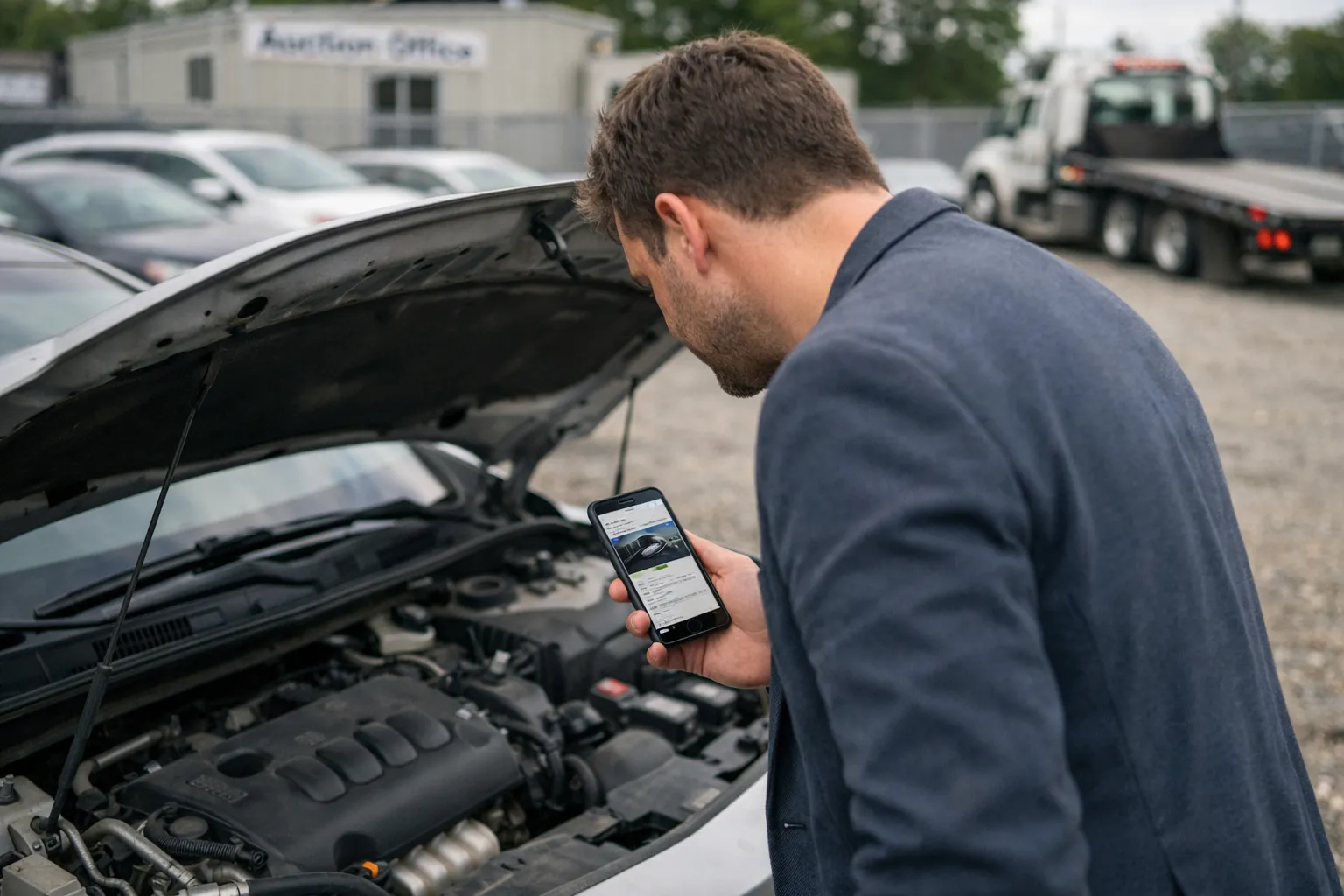
Online car auctions are no longer just the province of dealers and salvage buyers. By 2026, a growing number of platforms make retail bids possible for enthusiasts, allowing access to late-model trade-ins, off-lease fleet cars and enthusiast examples that rarely appear on dealer lots. But auctions have rules, fees and risks that differ from classifieds or dealer lots. This guide walks you, step by step, through buying a used car at online auctions—how to pick the right platform, inspect the vehicle, set a bidding strategy, manage fees and payment, and complete title and transport logistics.
1. Understand the three main auction types
Not all online auctions are the same. The critical first decision is which auction type fits your objectives and risk tolerance.
- Consumer-to-consumer (C2C) and open enthusiast auctions: Sites like Bring a Trailer and eBay Motors host retail bidders and generally show detailed photos, bidding histories and limited seller disclosures. Good for collectible or well-documented cars.
- Dealer-focused wholesale auctions: Platforms that historically served dealers—Manheim, ADESA, ACV—have expanded some retail access but remain wholesale in rules and inspection standards. Vehicles may sell faster and with less consumer protection.
- Salvage and insurance auctions: Copart, IAA and similar marketplaces sell damaged or salvage-title cars. Prices can be low, but title brands and repair costs require specialist knowledge.
2. Narrow the platform and lot you’ll target
Match the vehicle you want to the correct marketplace. Example decisions:
- Want a well-documented enthusiast car with community vetting? Target Bring a Trailer or high-quality eBay listings.
- Looking for late-model trade-ins sold “as-is” with minimal dealer markups? Wholesale auctions or dealer consignment sites are options—but expect fewer disclosures.
- Hunting for a cheap project or parts car? Salvage auctions will have the inventory you want, but prepare for title complexities.
Key platform checks before registering
- Is the auction open to retail buyers? (Some platforms require an approved account or dealer license for certain lots.)
- What are the buyer fees and how are they calculated? (Flat fee, percentage of hammer price, or tiered structure.)
- What does the listing include—photo galleries, condition report, odometer disclosure, VIN, damage codes?
- Are third-party inspections allowed and when must they be completed?
3. Research the specific vehicle thoroughly
Once you identify a lot, treat it like a private-party purchase but with stricter timelines.
- VIN checks: Run the VIN through vehicle history providers and the NHTSA recall database. Look for accident history, title brands, odometer discrepancies, and open recalls.
- Comparable pricing: Check what similar vehicles are selling for via Kelley Blue Book, Edmunds, local listings and recent auction results. Factor in buyer fees and projected reconditioning.
- Service and ownership records: Seller-uploaded maintenance records can change valuation—absence of service history increases risk.
- Title status: Clear title vs salvage/rebuilt, lien disclosures and whether a branded title is transferrable in your state.
4. Arrange inspection and verification before bidding
Auction timelines are tight. Use these options:
- Platform inspection reports: Many auction houses provide condition reports; read them carefully and note "as-is" caveats.
- Third-party mobile inspectors: Services such as LemonSquad, Alliance Inspection Management and local independent mechanics will visit the lot and provide photos, test-drive notes, fluid levels and immediate red flags. Arrange this before bidding closes.
- Live online walk-throughs: For some enthusiast auctions, the seller or a broker will do a live video inspection—use this to request close-ups of wear areas and undercarriage.
5. Understand fees and total cost of acquisition
Hammer price is only the start. Build a simple acquisition worksheet to avoid surprises.
- Buyer premium: A percentage or fixed fee added to the hammer price—common ranges in 2026 are roughly 3–12% on many retail platforms; salvage auctions may charge lower percentages but have other fees.
- Platform and processing fees: Payment processing, documentation, administrative, and title-handling fees add up.
- Sales tax and registration: In most states, sales tax is due based on purchase location or title state—check your DMV rules for auction purchases.
- Transport and storage: Shipping a vehicle can cost $500–$1,500+ depending on distance, door-to-door vs terminal-to-terminal, and vehicle condition.
- Reconditioning / repairs: Estimate needed service—brakes, tires, alignment, state inspection, emissions, and any bodywork.
Sample acquisition calculation (short):
- Hammer price: $12,000
- Buyer premium (8%): $960
- Platform + processing: $200
- Sales tax (local 6% on $12,000): $720
- Transport: $800
- Immediate repairs / inspection reserve: $1,200
- Total landed cost estimate: $15,880
6. Set a bidding strategy and stick to it
Auction behavior rewards discipline. Define your maximum out-the-door price (not just hammer) and use proxy or max bids to avoid emotional overbidding.
- Max-bid method: Enter your maximum (including buyer premium) and let the system automatically outbid jealous snippets up to that limit.
- Proxy and staged bidding: Some buyers delay entry until late to avoid driving up price early. Both strategies work; the key is knowing your ceiling and accounting for fees.
- Watch for reserve and soft-reserve lots: No-reserve auctions sell to the highest bidder. Soft reserves mean the seller can accept offers below the advertised reserve—understand the lot's reserve status before committing.
- Document bids: Keep screenshots or confirmations—platform disputes are rare but require records.
7. Payment, title transfer and paperwork
Each platform has specific payment rules—know them before you win.
- Accepted payment methods: Wire transfers and certified bank checks are the most common; platforms may accept credit cards for limited deposits. Avoid wiring funds outside the platform’s approved channels.
- Escrow services: For high-value private-party transfers, use recognized escrow providers to hold funds until title and keys are delivered.
- Title transfer timeline: Confirm how and when seller will deliver title. Some auctions require payment in full within 48–72 hours and charge storage fees for late pickup.
- Out-of-state purchases: If buying in another state, check both jurisdictions’ DMV requirements for temporary tags and emissions compliance—some states impose fines or refuse titling without proof of emissions or safety inspections.
8. Arrange transport and receive the car
Once the sale is final, schedule shipping promptly.
- Door-to-door vs terminal shipping: Door-to-door is more convenient; terminals are cheaper. For damaged cars that cannot run, flatbed carriers are commonly used.
- Inspect at receipt: Photograph the vehicle on delivery, especially any damage—documenting pre-existing vs shipping damage is essential if you need to make claims.
- Temporary tags: Use temporary or transit tags if you need to drive the vehicle home before permanent registration—only after confirming insurance coverage.
9. Post-purchase checklist and resale considerations
- Complete initial maintenance: fluids, brakes, tires, filters and safety items.
- Address any open recalls immediately through a dealer.
- File title transfer and register the vehicle promptly to avoid fines.
- If planning resale, keep all receipts for reconditioning to support pricing.
10. Pitfalls to avoid
- Ignoring total landed cost: Hammer price without fees, tax and transport is a false bargain.
- Skipping inspection: “Buy as-is” is real—mobile inspections are inexpensive relative to repair surprises.
- Assuming dealer rules apply: Auctions often have strict, non-negotiable payment terms and short pickup windows.
- Falling prey to off-platform payment requests: Scammers will ask to move the transaction offline—keep payment and documentation inside the platform or secure escrow.
Real-world example (typical enthusiast buy)
Case: You’re after a 2018 midsize sedan with 50k miles listed on a retail auction. After VIN checks and an independent inspection reveals no structural damage and a clean title, you set an out-the-door ceiling of $16,000 (including fees). You place a max bid of $13,800 on the hammer price (expecting ~8–12% in fees and taxes). You win at $13,300, pay via the platform’s wire transfer with a 48-hour settlement window, arrange a mobile transport carrier for $700, and incur $600 in immediate service. Total landed: ~ $15,800. You compare post-purchase repair receipts and estimate resale value at $18,500—an acceptable margin for your renovation and enjoyment plan.
Final tips for auction success in 2026
- Build a shortlist of trustworthy inspection services and shippers before bidding season.
- Join platform communities and follow recent sale results to sharpen valuation skills.
- Keep clear financial discipline—bid with your head, not momentum.
- When in doubt, walk away—auctions repeat, and a missed car is better than an expensive mistake.
Online auctions can be an efficient route to vehicles that rarely appear on dealer lots, but they require preparation, accounting for fees, and timely logistics. By selecting the right platform, verifying the vehicle, arranging inspection, calculating total costs and enforcing a disciplined bidding strategy, you can win cars at attractive prices while minimizing the inherent risks of remote purchasing.